Family Holidays in Morocco

Family Holidays in Morocco | Best Family Destinations & Travel Tips

Family Holidays in Morocco – Best Family Destinations & Itineraries

Planning family holidays in Morocco for 2026? Imagine camel rides at sunset, sandy beaches where your kids can play safely, and ancient medinas that feel like a treasure hunt. Morocco is more than a destination—it’s a sensory journey that children and parents alike will remember forever.

This guide covers the best family destinations in Morocco, top activities, when to go, and practical tips to make your Morocco family travel stress-free.

Why Choose Morocco for a Family Holiday?

Cultural Diversity & Warmth

Morocco is a country where Berber, Arab, and European cultures blend into one colorful tapestry—making it one of the best family destinations in Morocco. Families quickly notice how much locals love children: expect smiles, conversation, and genuine warmth. Even routine moments—like a market stroll or a shared meal—become heartwarming cultural exchanges for kids and parents alike.

Variety of Landscapes & Adventures

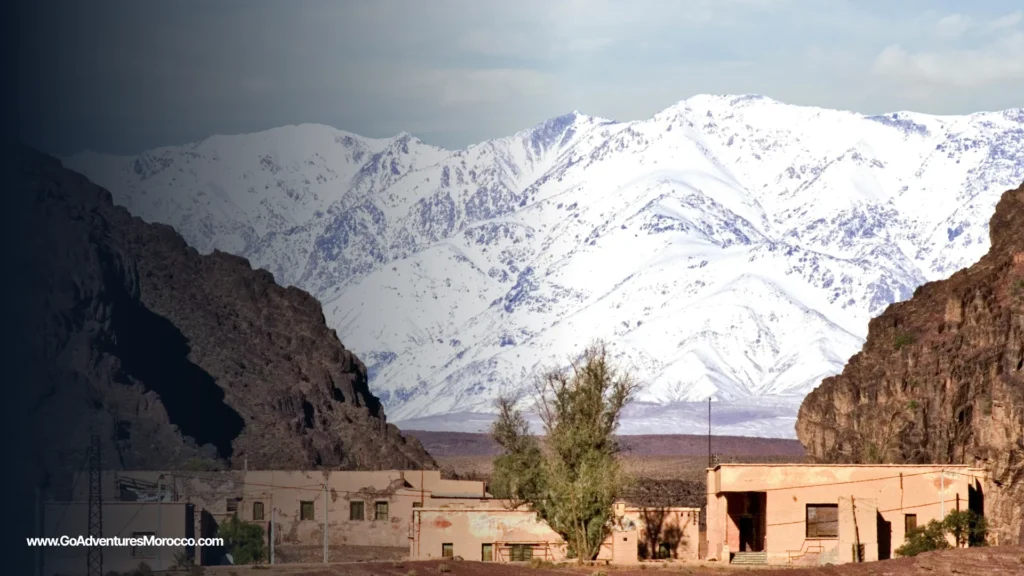
Few countries pack in as much variety as Morocco. In a single trip you can enjoy golden Sahara dunes, snow-tipped Atlas peaks, and sunny Atlantic beaches. Where else could your family ride a camel at sunrise and take a surfing lesson by sunset? This mix of landscapes keeps children engaged—whether it’s sandboarding, swimming, or exploring lush oases.

Kid-Friendly Attractions & Activities

For family holidays in Morocco, the options are endless:

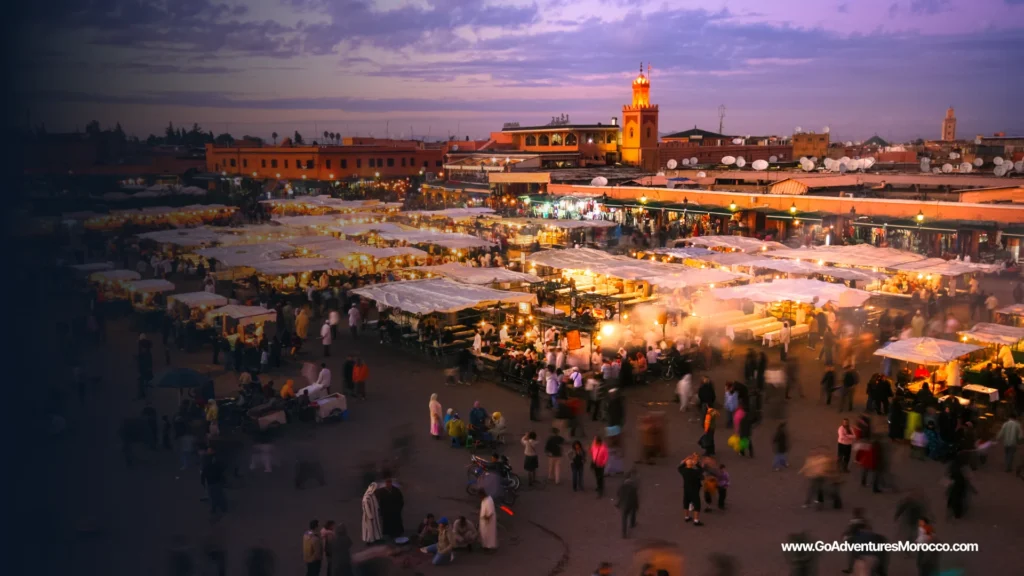
  • In Marrakech’s Jemaa el-Fnaa, kids watch snake charmers, storytellers, and musicians.

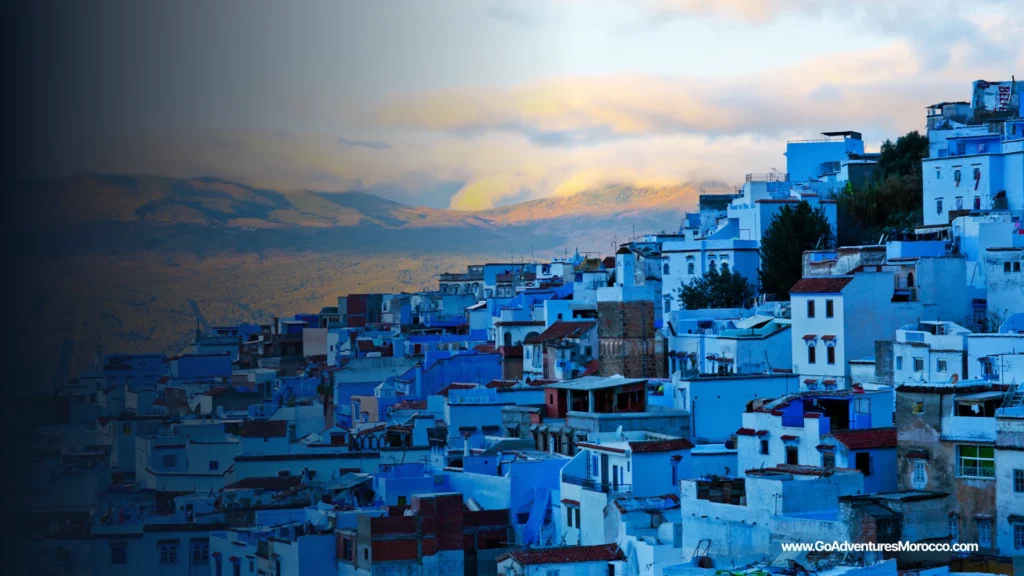
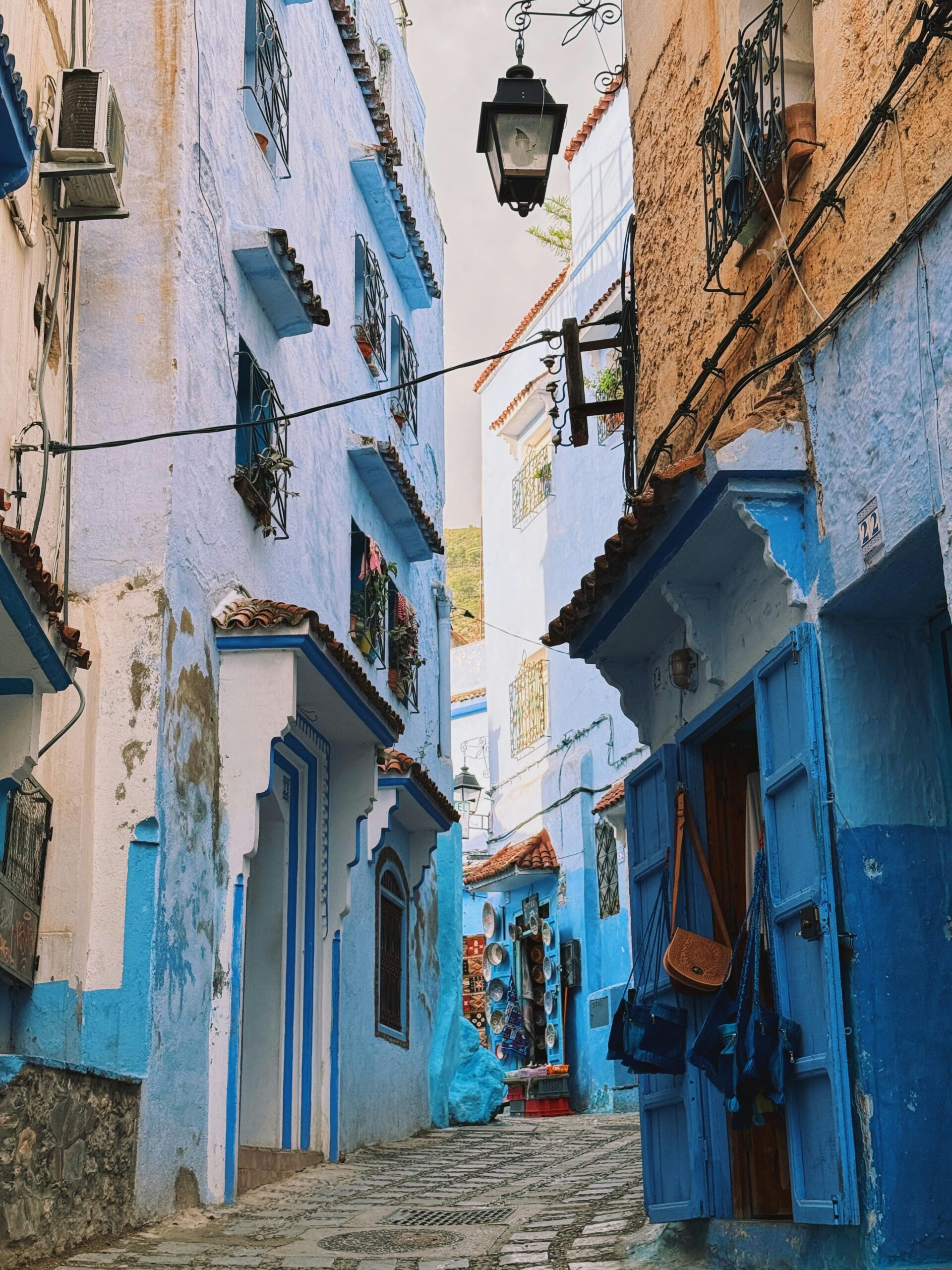
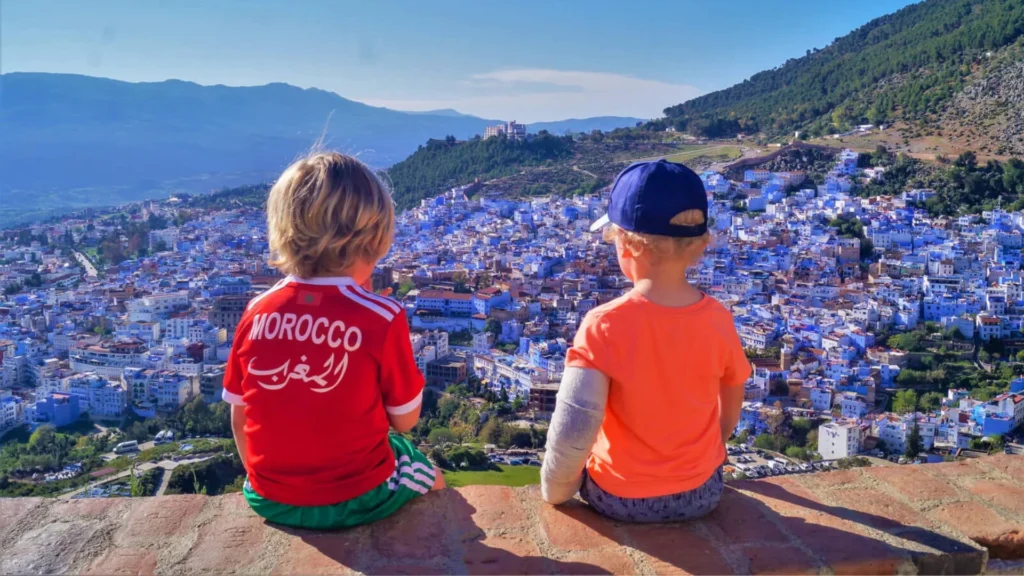
  • In Chefchaouen, the “Blue City,” safe alleyways feel like walking through a storybook.

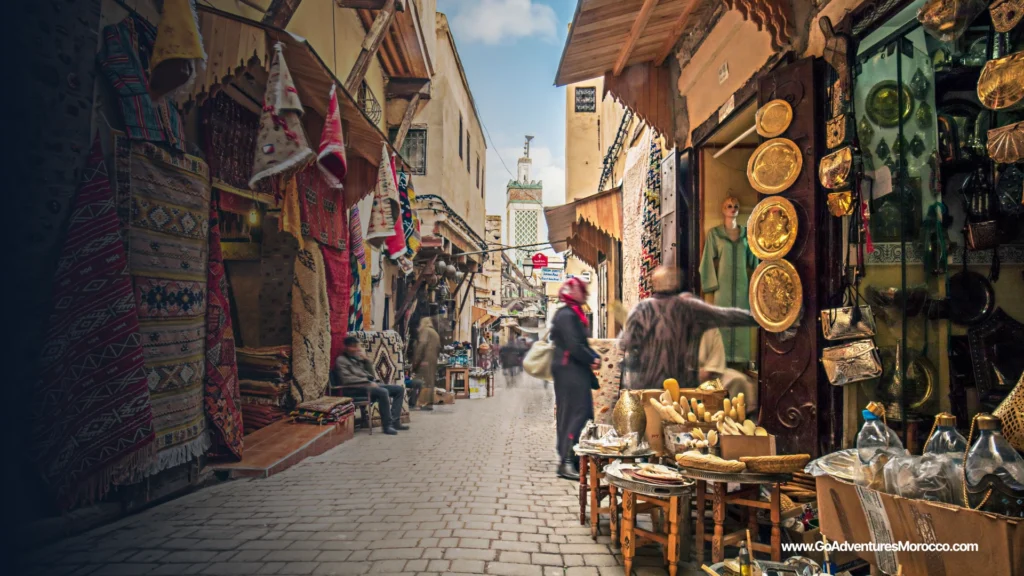
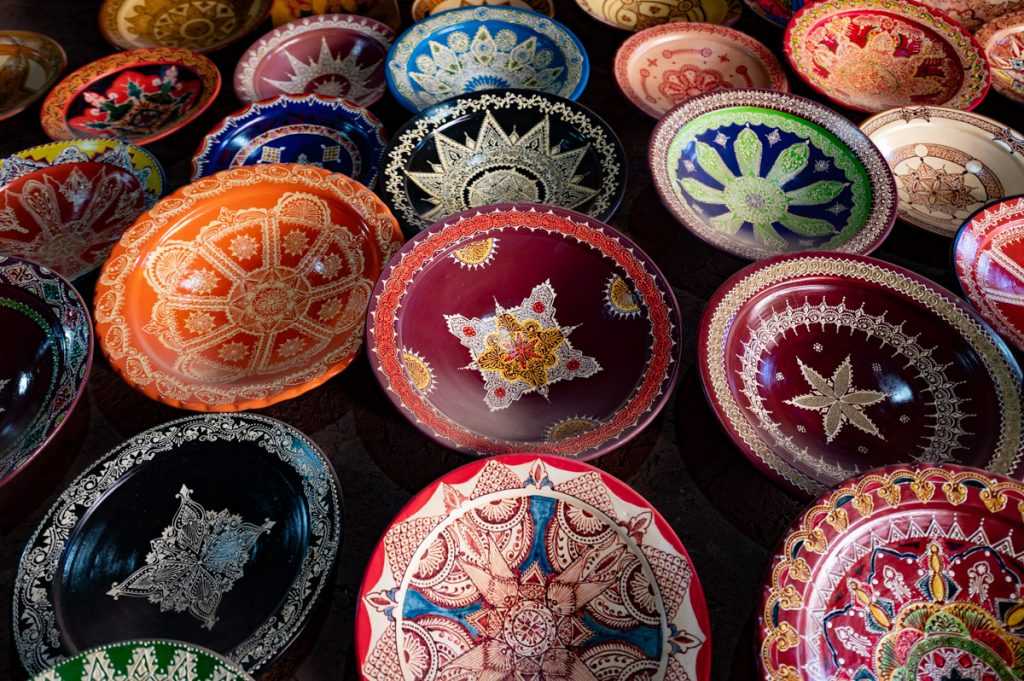
  • Gardens, palaces, and souks double as open-air classrooms, with turtles, spices, and artisans teaching age-old crafts.

  • Families can also enjoy modern fun: water parks, wildlife reserves, and interactive cooking classes.

Stress-Free with Local Experts

Planning Morocco with kids is easier with the right support. Go Adventures Morocco creates age-appropriate, family-first itineraries that balance adventure with rest. Licensed guides, AC vehicles, and optional car seats ensure comfort and safety, leaving parents free to enjoy the journey.

Takeaway: With its cultural richness, varied landscapes, and kid-friendly experiences, Morocco is one of the top family destinations worldwide for 2026—and the perfect choice for an unforgettable family holiday.

Best Family Destinations in Morocco

Morocco offers an incredible variety of family-friendly destinations, making it one of the best choices for parents traveling with children. From the bustling souks of Marrakech to the golden beaches of Agadir, the storybook alleys of Chefchaouen, and the magical Sahara dunes, each region has something special to offer. Whether your family loves history, outdoor adventures, or simply relaxing together, these are the best places in Morocco for family holidays—where kids stay inspired and parents can enjoy a stress-free escape.

Marrakech – The Red City Full of Life

Marrakech is often the first stop for family holidays in Morocco, and it’s easy to see why. Known as the Red City, it offers a perfect mix of excitement, culture, and kid-friendly experiences that captivate every age.
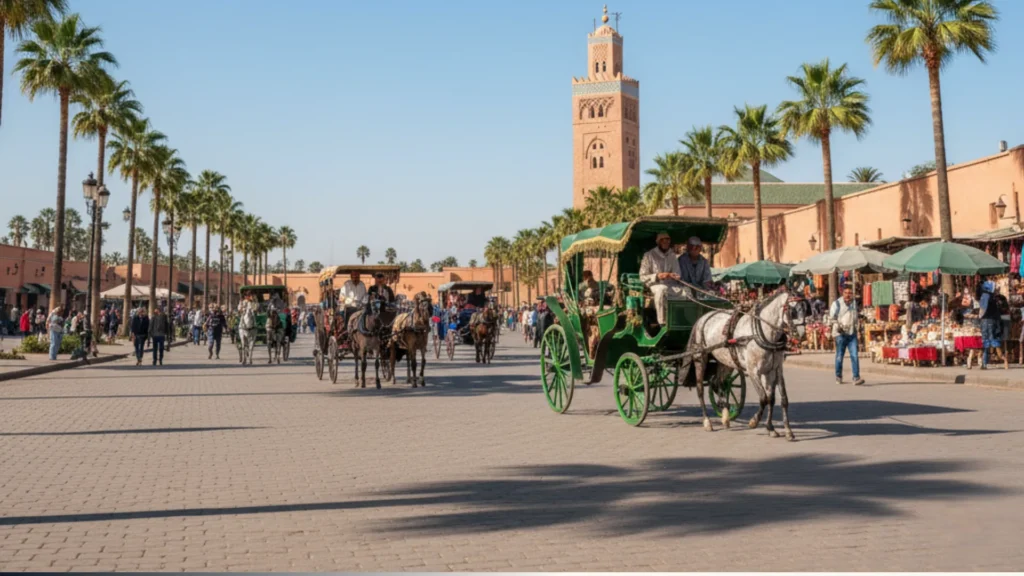
Jemaa el-Fnaa – A Family-Friendly Spectacle

At the heart of the old city lies Jemaa el-Fnaa square, a lively stage where Morocco’s traditions come to life. By day and especially at night, children are enchanted by snake charmers (from a safe distance), magicians, drummers, and acrobats. Parents can enjoy fresh-squeezed orange juice while kids marvel at the colors and sounds. Wandering into the nearby souks feels like a treasure hunt—with carpets, lamps, and handmade trinkets around every corner.

Relaxing Retreats in the City

When families need a calmer pace, Marrakech has peaceful spots too. The famous Jardin Majorelle is a stroller-friendly oasis where kids love spotting turtles and koi fish among exotic plants and bright blue pavilions. For something more playful, hop into a horse-drawn calèche ride at sunset around the city walls—an experience that feels magical for children.

Why Families Love Marrakech

With its combination of parks, family-welcoming cafés, hotels with pools, and endless cultural discoveries, Marrakech is more than just a city break—it’s a warm and vibrant introduction to Morocco for families.

Agadir – Beaches and Family Resorts

If your family dreams of sun, sand, and relaxation, Agadir is one of the best places in Morocco for a beach holiday. With year-round sunshine, golden sands, and calm waves, it’s a coastal city that’s perfectly tailored to families with children.
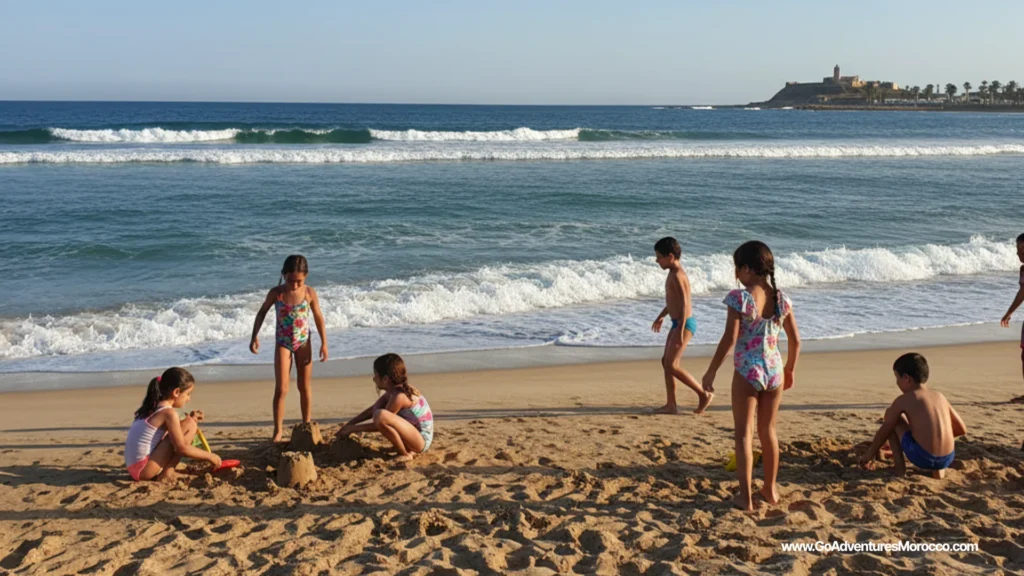
Safe & Fun at the Beach

Agadir’s wide sandy beach stretches for miles, with a gentle slope into the Atlantic that’s safe for kids to paddle and play. Many areas are monitored by lifeguards, and some even feature playgrounds right on the sand. Along the seaside promenade, families will find cafés, restaurants, and ice cream shops—ideal for an easy and enjoyable day by the ocean. Older children can also try beginner-friendly activities such as bodyboarding or surf lessons, thanks to Agadir’s smaller waves.

Family-Friendly Resorts & Activities

What makes Agadir truly family-friendly are its resorts. Many hotels sit directly on the beach and feature large pools, kids’ clubs, and evening entertainment, giving parents peace of mind while children stay entertained. Popular options include the Royal Decameron Tafoukt Beach Hotel and Villa Maroc (in nearby Essaouira), both well-praised for their family facilities.

Beyond the Beach

Agadir isn’t just about sand and sea. Families can also explore Crocoparc, a unique park where kids can observe hundreds of crocodiles safely from raised walkways, while strolling through tropical gardens. It’s an experience that’s both exciting and educational.

Why Families Love Agadir

With its combination of safe swimming, child-friendly resorts, fun day trips, and Moroccan hospitality, Agadir offers the perfect seaside escape for families who want a balance of relaxation and adventure.

Sahara Desert – A Family Adventure Under the Stars

For many families, a trip to Morocco wouldn’t be complete without experiencing the Sahara Desert. With its endless golden dunes, camel rides, and star-filled skies, the desert offers children and parents alike a sense of magic and adventure.
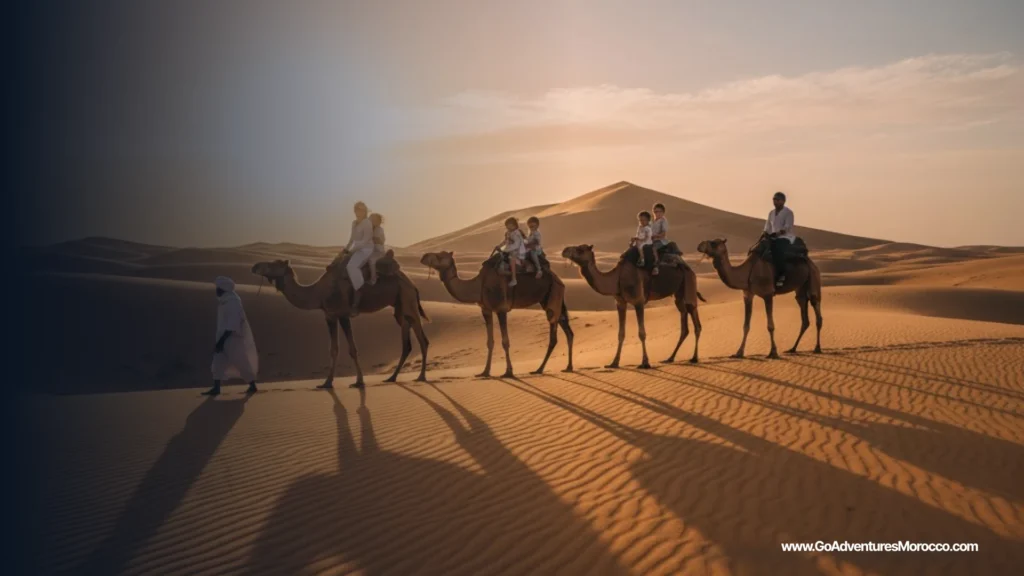
Camel Rides & Sand Dunes

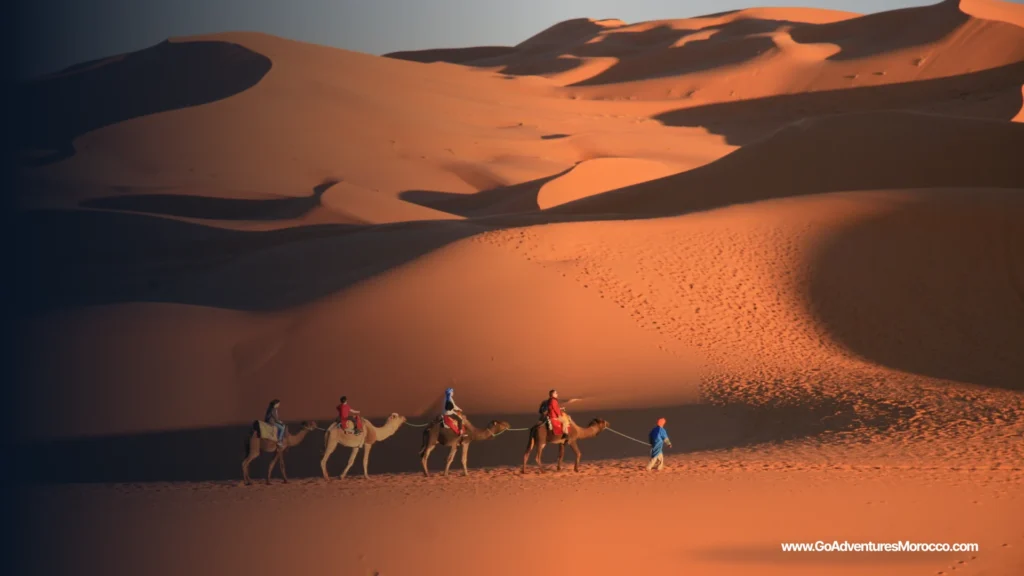
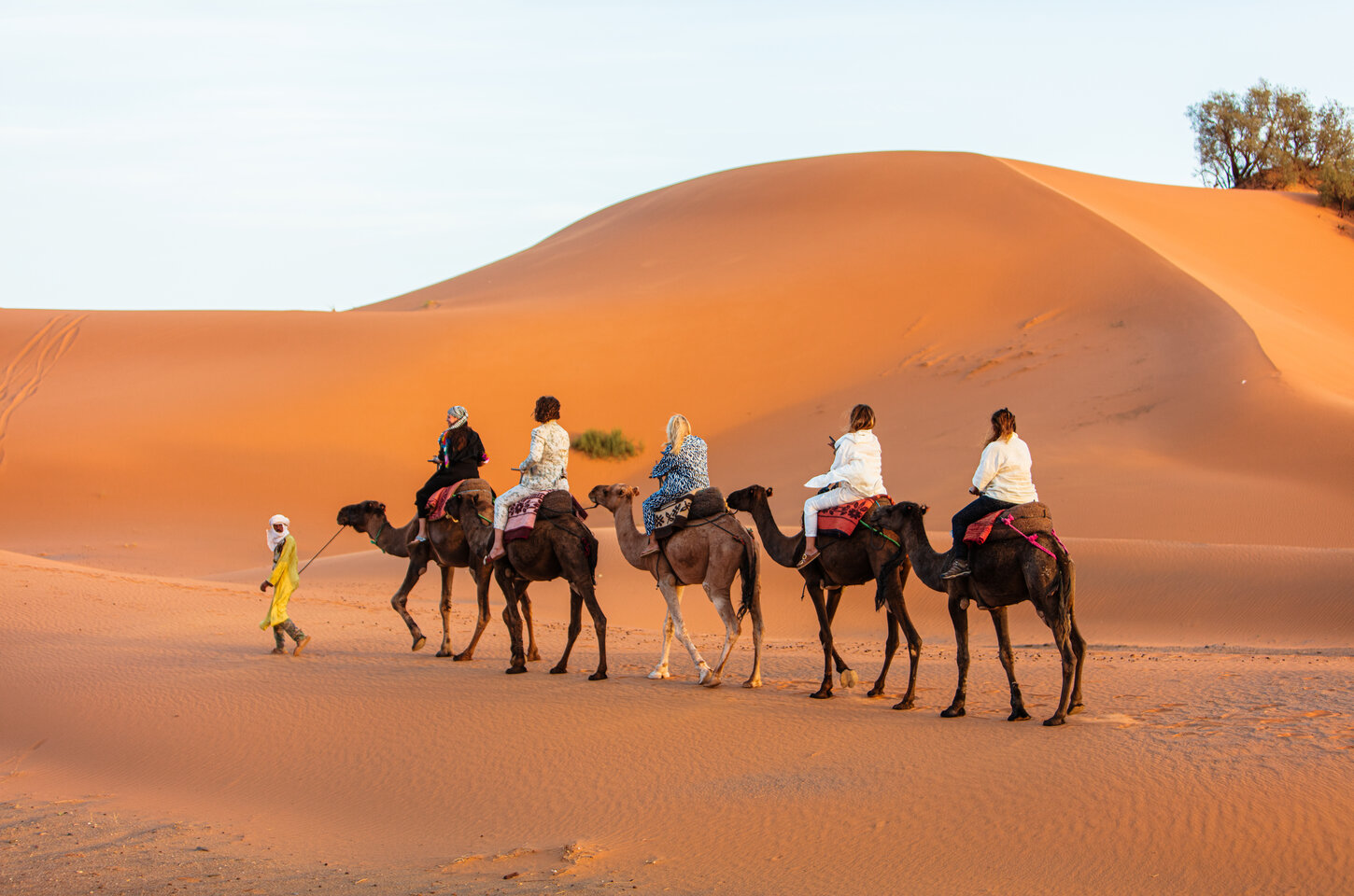
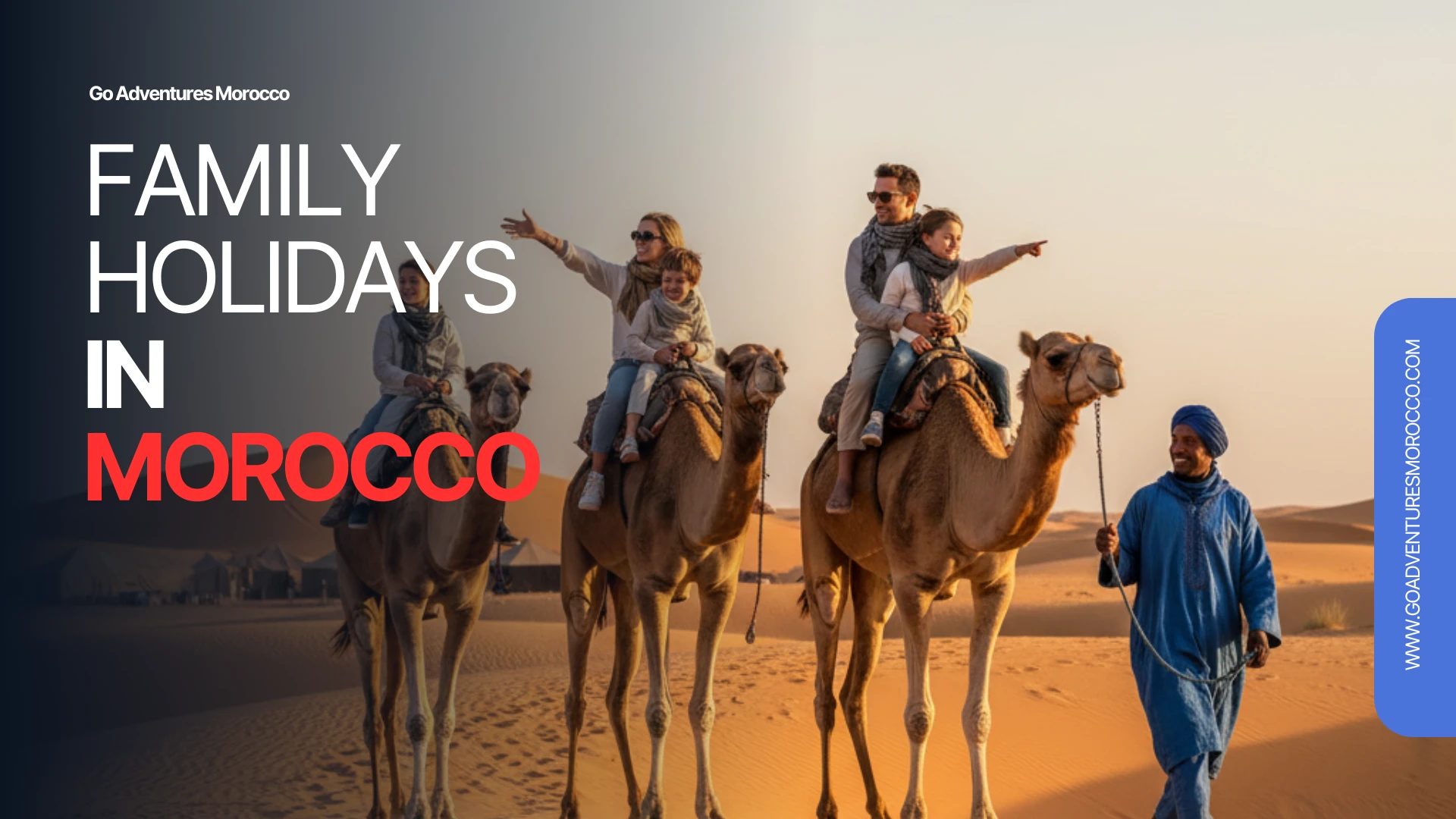
One of the highlights for kids is riding a camel into the dunes of Merzouga or Zagora. Families can trek together at sunset, watching the sand glow orange and pink. Children also love climbing and sliding down the dunes, making it feel like a giant natural playground.

Overnight Desert Camps

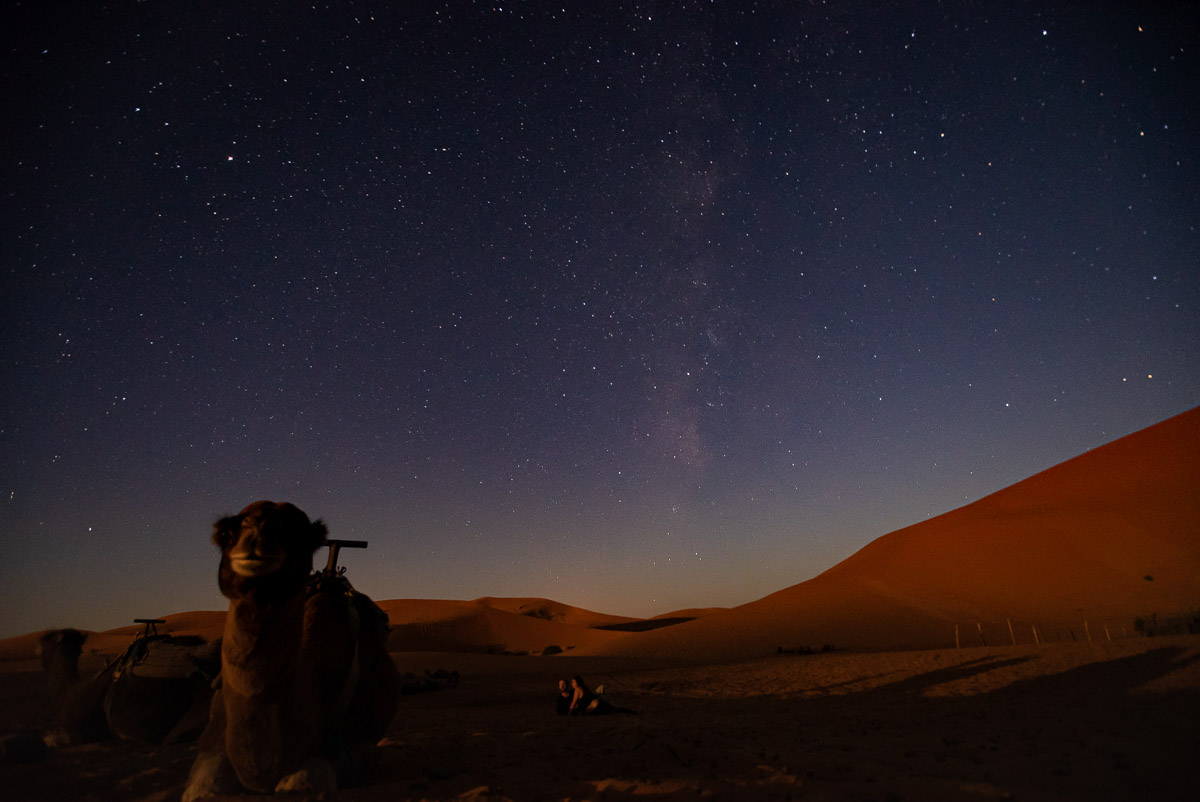
Spending a night in a desert camp is an unforgettable experience. Many family-friendly camps provide comfortable tents, traditional Moroccan meals, and evening entertainment with Berber music around the campfire. Parents can relax under the vast desert sky while kids marvel at the Milky Way—an experience rarely possible in cities.

Activities Beyond the Camp

Families can explore nearby oases, visit nomadic families, or ride quad bikes and sandboards for extra excitement. Guides are experienced in making the journey safe and enjoyable for children, with shorter routes available for younger travelers.

Why Families Love the Sahara

The Sahara Desert is more than just a destination—it’s a memory that stays for life. From camel rides and desert camping to stargazing in silence, it’s an adventure that gives children a sense of wonder while parents enjoy Morocco’s most breathtaking landscapes.

Atlas Mountains – Family Adventure in the High Peaks

The Atlas Mountains are the perfect destination for families who enjoy fresh air, nature, and a touch of adventure. Just a short drive from Marrakech, this mountain range offers a refreshing escape from the city and plenty of activities for children and parents alike.
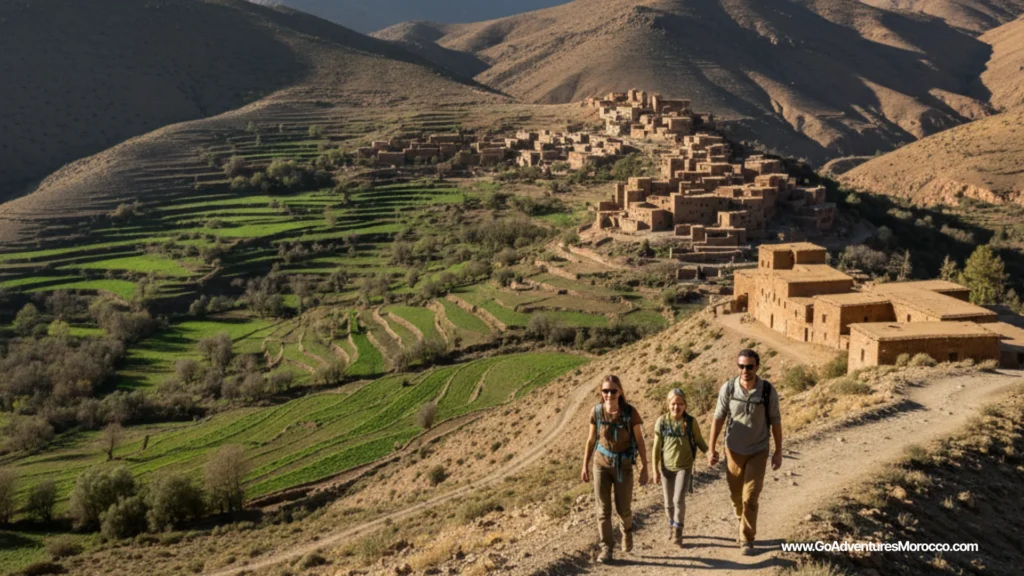
Hiking & Outdoor Fun

Families can enjoy gentle hikes through valleys dotted with waterfalls, orchards, and small Berber villages. Many trails are suitable for children, and local guides often customize routes to match your family’s pace. Kids love spotting donkeys, goats, and mules along the way, turning each hike into an interactive experience.

Berber Village Experiences

Visiting a Berber village is both educational and memorable. Families are often welcomed into traditional homes for mint tea or a freshly cooked tagine. These cultural exchanges give children a deeper appreciation of Moroccan traditions while parents enjoy authentic hospitality.

Adventure Activities

Older kids and teens can try mountain biking, mule rides, or even zip-lining in some areas. For families seeking relaxation, cozy mountain lodges with panoramic terraces and fireplaces provide the perfect retreat after a day outdoors.

Why Families Love the Atlas Mountains

With its family-friendly hikes, cultural encounters, and cooler climate, the Atlas Mountains give families a chance to slow down, reconnect with nature, and experience Morocco beyond its cities and beaches.

Essaouira – The Breezy Coastal Gem

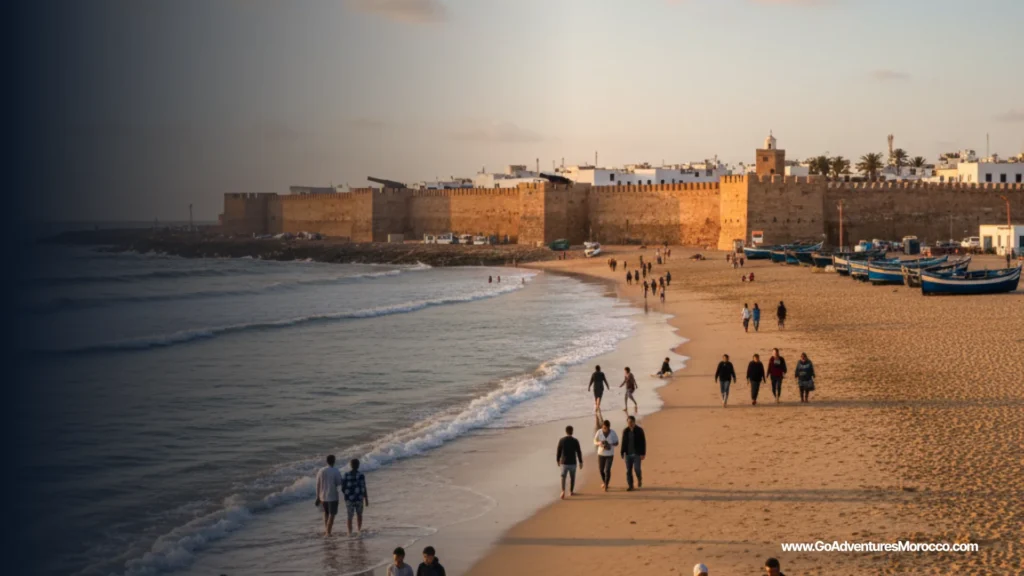
If your family is looking for a mix of seaside fun and cultural charm, Essaouira is one of Morocco’s most welcoming destinations. With its relaxed pace, fresh Atlantic breeze, and colorful medina, it’s a coastal escape that parents and kids will both enjoy.
Seaside Adventures

Essaouira’s wide, sandy beach is perfect for children to run, play, and build sandcastles. Families can enjoy camel or horse rides along the shoreline, while older kids might be fascinated by the kitesurfers dancing on the waves. The beach promenade, lined with cafés and snack stands, makes it easy to pause for a treat between activities.

Family-Friendly Medina

Inside the UNESCO-listed medina, the streets are narrower, calmer, and easier to navigate than in bigger cities. Families can explore shops selling wooden toys, handmade jewelry, and colorful textiles. Kids love watching street performers, while parents appreciate Essaouira’s relaxed shopping atmosphere.

Activities Beyond the Walls

Families can take a short boat trip from the harbor, visit the old Portuguese fortifications, or watch fishermen haul in their daily catch. A trip to a local argan oil cooperative is also a fun cultural stop—children will be amused to see goats climbing argan trees while learning about this Moroccan specialty.

Why Families Love Essaouira

With its safe medina, breezy beaches, and family-friendly vibe, Essaouira offers the perfect balance of culture and relaxation. It’s less hectic than Marrakech and a great place for parents to unwind while kids explore freely.

Best Family-Friendly Hotels in Morocco

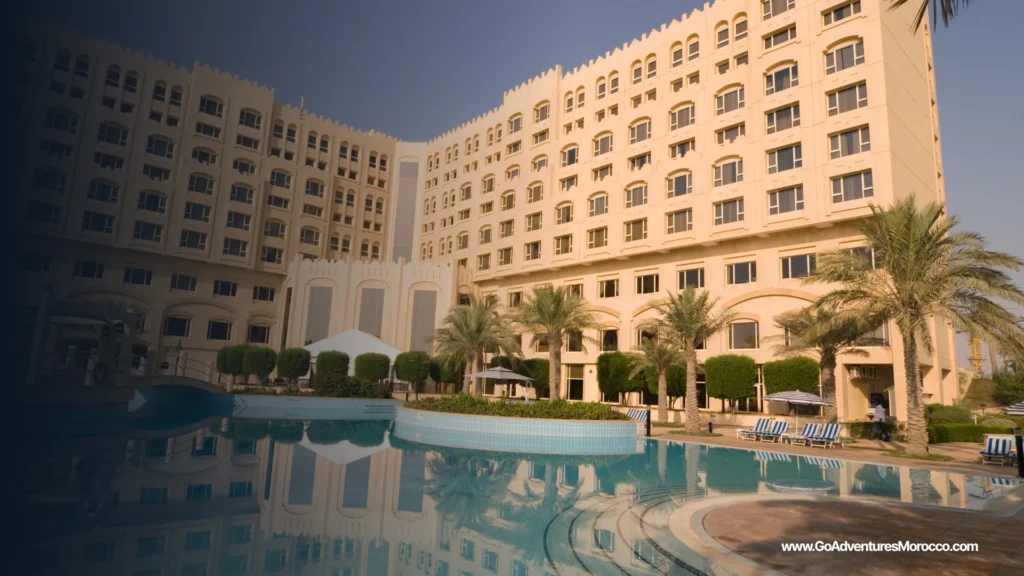
Looking for the perfect home base for your family holidays in Morocco? Below are tried-and-tested hotels and riads that balance comfort, child-friendly amenities, and authentic Moroccan charm.
Marrakech & Nearby

  • La Mamounia (Marrakech) – Luxurious, with sprawling gardens, family suites, and a children’s club in a legendary setting.

  • Riad Kniza (Marrakech Medina) – Elegant riad with private courtyards, quiet rooms, and attentive service; ideal for small families.

  • Sofitel Marrakech Palais Imperial – Modern resort with multiple pools, landscaped grounds, and kid-focused amenities.

Agadir & the Coast

  • Royal Atlas & Spa (Agadir) – Right on the beach, large pools, kids’ club, and beachfront access that’s gentle for children.

  • Hotel Riu Tikida Dunas (Agadir) – All-inclusive, entertainment programs, several restaurants, and pools for all ages.

  • Atlas Essaouira & Spa Hotel (Essaouira coastline) – A coastal resort between Essaouira and Agadir, quiet and elegant, perfect for relaxing beach days.

Atlas Mountains & Nature Retreats

  • Kasbah Tamadot (High Atlas, owned by Richard Branson) – Stunning grounds, exceptional service, and is well set up for families looking for peace and nature.

  • Ksar Ighnda (Atlas foothills) – Boutique lodge with spacious villas, open lawns, and immersive nature ambiance.

  • Toubkal Lodge (Imlil Valley) – Simple, eco-friendly lodges within walking distance of child-friendly hikes and village tea stops.

Sahara & Desert Camps

  • Luxury Desert Camp (Merzouga) – Private tents with real beds, ensuite bathrooms, and safe setups suited for children.

  • Erg Chebbi Family Camp – Family tents or bubble tents, local music around the fire, short camel rides for kids.

  • Kasbah tents in Zagora – Closer-to-road camps for shorter stays; good fallback for families not ready for long desert drives.

Morocco Family Itinerary: 7 Days in Morocco With Kids

Planning a family trip to Morocco can feel overwhelming, but with the right balance of culture, relaxation, and adventure, it becomes a holiday every age will remember. Here’s a suggested 7-day Morocco family itinerary tailored for parents traveling with children ages 4–16.

Day 1–2: Marrakech – The Red City for Families
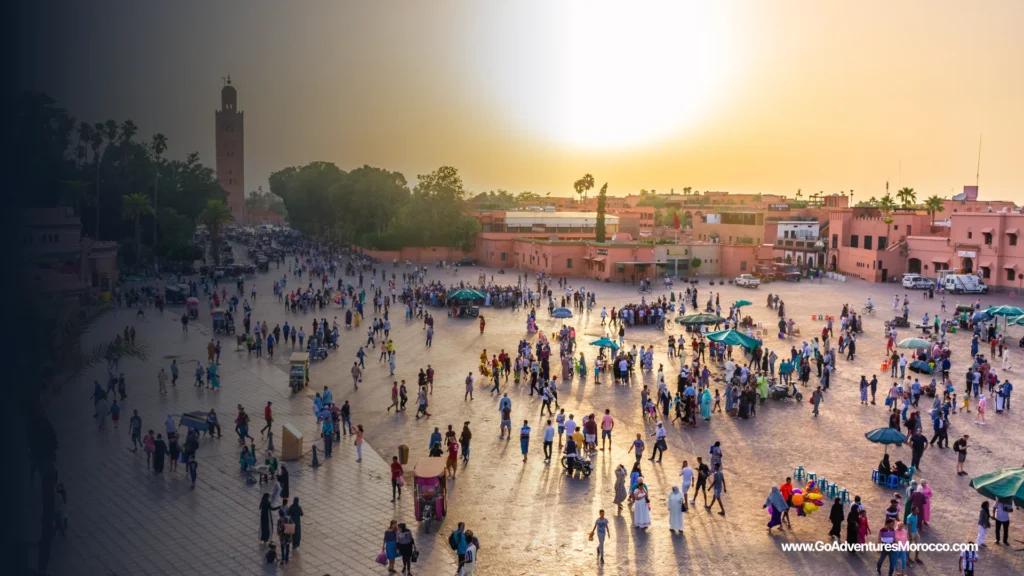
  • Explore Jemaa el-Fnaa square with street performers and food stalls.

  • Visit Jardin Majorelle and the Yves Saint Laurent Museum for a colorful, calm break.

  • Take a horse-drawn carriage ride (calèche) around the city.

  • Family tip: Choose a riad or resort with a pool so kids can unwind after sightseeing.

Day 3: Atlas Mountains Adventure
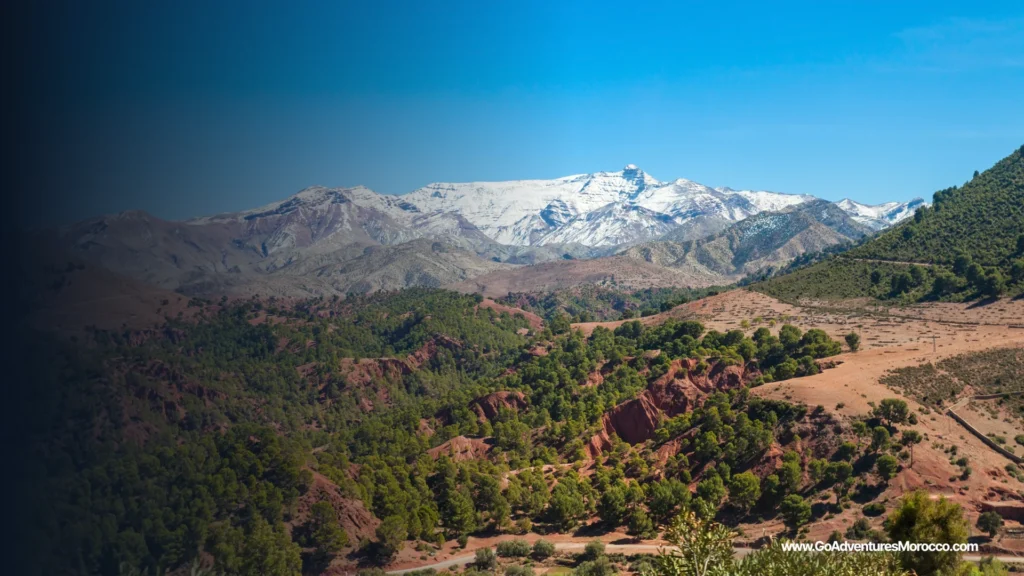
  • Take a short drive to the High Atlas.

  • Gentle hikes or mule rides suitable for children.

  • Visit a Berber village to enjoy authentic Moroccan hospitality.

  • Family tip: Pack layers—mountain weather changes quickly.

Day 4–5: Essaouira – Breezy Coastal Escape
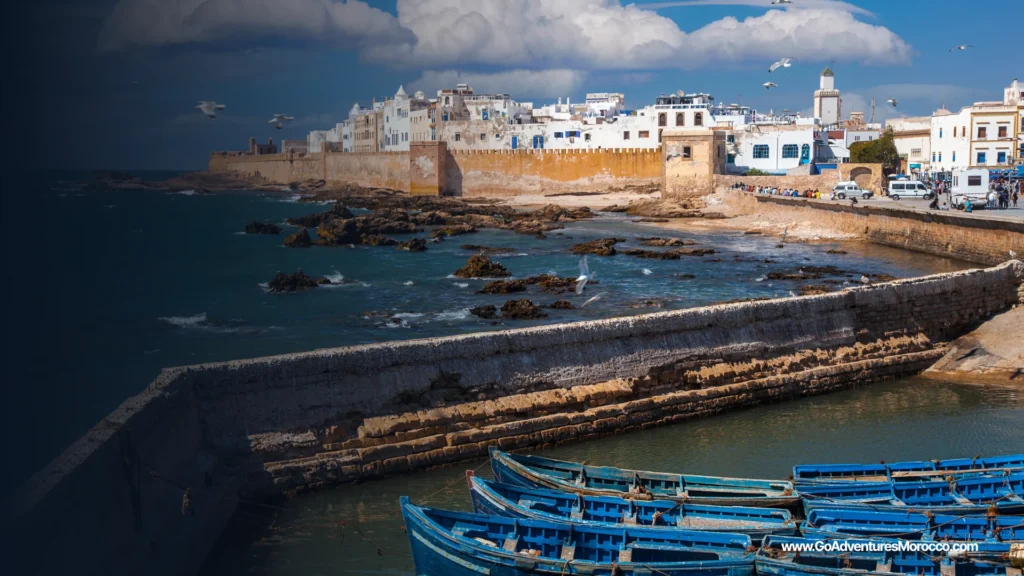
  • Relax on Essaouira’s wide beaches (great for kids with shallow waters).

  • Enjoy camel or horse rides by the sea.

  • Explore the medina, smaller and calmer than Marrakech.

  • Family tip: Essaouira is stroller-friendly compared to other Moroccan cities.

Day 6: Desert Experience in Agafay or Merzouga (depending on time)
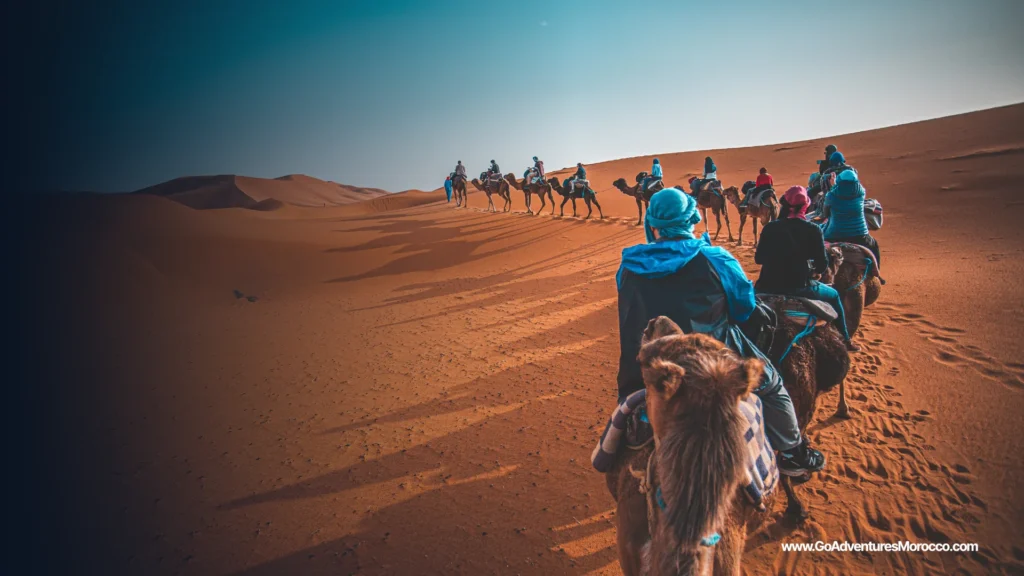
  • For a shorter trip: Agafay Desert near Marrakech offers easy access and family-friendly glamping.

  • For a longer adventure: Head to Merzouga, ride camels, and spend a night under the stars in a family tented camp.

  • Family tip: Pick a camp with ensuite bathrooms and shorter camel rides for kids.

Day 7: Back to Marrakech & Departure

  • Last-minute souk shopping for souvenirs.

  • Relax in a family café or enjoy a cooking class.

  • Transfer to the airport.

Best Family Beaches in Morocco

When planning a seaside escape, Morocco’s coastline offers some of the best family beaches in North Africa. With calm waters, soft sand, and family-friendly facilities, these are the best beaches for kids in Morocco where parents can relax while children play safely.
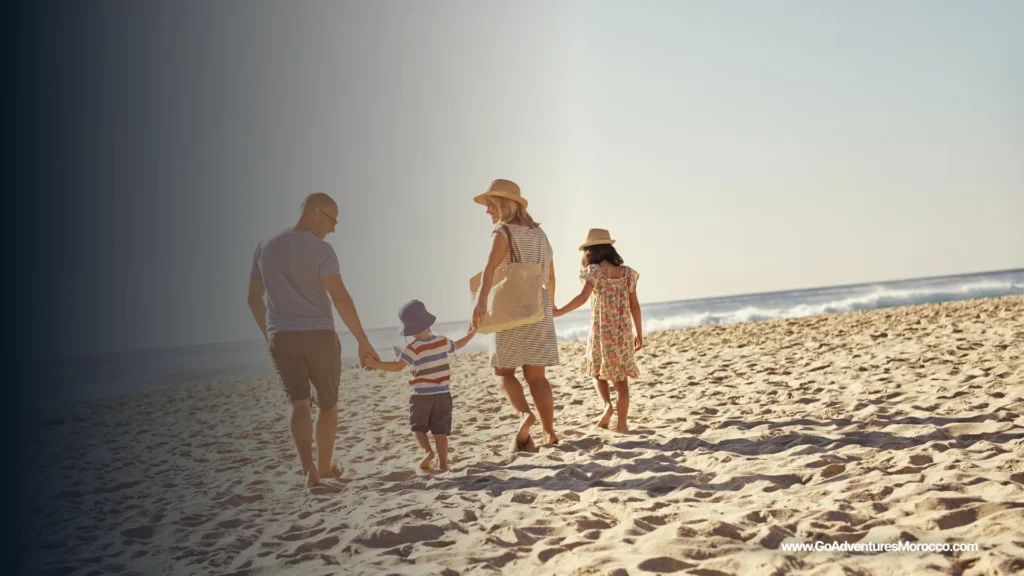
Agadir Beach – Safe & Relaxed

  • Wide sandy stretch with gentle waves, perfect for children learning to swim.

  • Family-friendly resorts and cafés line the promenade.

  • Lifeguards and clean facilities make it one of the top Morocco family beaches.

Essaouira Beach – Breezy Adventure for Families

  • Shallow shoreline ideal for paddling and sandcastle building.

  • Camel and horse rides add fun for kids.

  • Parents love the laid-back medina just steps away.

Taghazout & Tamraght – Surf & Swim

  • Known as Morocco’s surf hub, but beginner-friendly beaches also suit older kids.

  • Family surf schools offer lessons for children as young as 6–7.

  • Plenty of cafés and apartments for longer stays.

Oualidia Lagoon – Natural Swimming Pool

  • Calm, shallow lagoon with crystal-clear water—safe for toddlers and small kids.

  • Local restaurants serve fresh oysters and seafood.

  • Paddleboats and kayaks available for family fun.

Saïdia – The Blue Pearl of the Mediterranean

  • Fine sandy beach stretching over 14 km, gentle waters for swimming.

  • Resorts with kids’ clubs and pools right on the shoreline.

  • Great choice for families wanting an all-in-one holiday.

Check our reviews on TripAdvisor: See why travelers rate Go Adventures Morocco among the best tour operators in Marrakech → Read Reviews

Is Morocco Safe for Family Travel?

Yes — Morocco is generally safe for family travel, and thousands of families visit every year without issues. Moroccan people are known for their hospitality, and children are especially welcomed with warmth. That said, like any destination, a bit of preparation goes a long way to ensure a smooth and safe holiday with kids.
Safety Tips for Families in Morocco

  • Stick to popular areas: Cities like Marrakech, Agadir, Essaouira, and Fez are well-traveled and offer good infrastructure.

  • Transportation: Use licensed taxis or private drivers instead of unmarked cabs for safety and convenience.

  • Food & water: Drink bottled water, and choose family-friendly restaurants; Moroccan cuisine is generally safe and often loved by kids (tagines, couscous, fresh bread).

  • Health & hygiene: Pack sunscreen, hats, and hand sanitizer. Pharmacies are common and well-stocked.

  • Crowds: In busy souks or squares, keep an eye on children, as the atmosphere can be overwhelming.

  • Desert trips: Choose reputable desert camps with family amenities (ensuite tents, shorter camel rides for kids).

Emergency & Healthcare Access

Morocco has modern hospitals and clinics in major cities, as well as plenty of pharmacies. Travel insurance with medical coverage is recommended, especially if you’re heading to remote areas like the Sahara or the mountains.

Overall, Morocco is safe for families with kids when you plan ahead. With friendly locals, exciting landscapes, and plenty of child-friendly activities, it’s an excellent choice for a family holiday in 2026 and beyond.

Tips for a Smooth Family Holiday in Morocco

Traveling in Morocco with kids is an adventure worth taking—but a little preparation will keep everyone safe, comfortable, and happy. Here are some practical tips to make your family holiday in Morocco stress-free and memorable.

Plan Around Climate & Seasons

Morocco’s weather changes a lot between regions.

  • Summer (June–August): Inland cities like Marrakech and the desert can be very hot. Pack light cotton clothes, sun hats, and SPF 50+ sunscreen. Sightsee in the morning or late afternoon, and cool off in shaded cafés, museums, or your hotel pool.

  • Winter (Nov–March): The coast stays mild, but mountains and deserts get cold at night. Bring layers and jackets.

  • Best time to visit: Spring (March–May) and autumn (Sept–Oct) offer the most family-friendly weather.

If traveling with young children in summer, consider cooler areas like the Atlas Mountains or Atlantic coast, or book family resorts with pools and air-conditioning.

Food & Dining with Kids

Moroccan food is flavorful but not too spicy, and most kids love it.

  • Kid-friendly dishes: Chicken or beef tagine, couscous with veggies, grilled kebabs, fresh bread.

  • Western options: Tourist restaurants and hotel buffets serve pasta, pizza, and sandwiches.

  • Snacks: Bring some familiar snacks for long drives. Fresh fruit and treats like msimen pancakes are great local options.

  • Street food safety: Choose busy stalls with high turnover. Stick to freshly cooked foods.

  • Hydration: Carry bottled water (cheap and widely available) and remind kids to sip often.

Health & Safety

Morocco is safe for families, but basic precautions matter.

  • Crowds: Use carriers or child harnesses for toddlers in the souks; strollers are tricky on cobblestones. Keep kids close in busy markets.

  • Transport: Seatbelts aren’t always available in taxis. Bring a portable car seat or hire private drivers who provide them.

  • Medical prep: No special vaccines are required. Carry a small kit: meds, rehydration salts, child-safe fever reducers, and motion sickness tablets.

  • Food safety: Drink bottled water, peel fruit, and favor cooked meals.

  • Healthcare: Pharmacies are common; pharmacists often speak English or French. Travel insurance is highly recommended.

Cultural Etiquette with Kids

Morocco is family-oriented, and children are warmly welcomed. Help your kids connect with locals by:

  • Dressing modestly in religious or traditional areas (covered shoulders, longer shorts/pants).

  • Learning polite words: “shukran” (thank you) or “s’il vous plaît”.

  • Asking permission before taking photos.

  • Joining in customs: bargaining at markets, greeting with a handshake and hand over the heart, sipping mint tea slowly.

Children may receive affectionate attention from locals—like a pat on the head or cheek pinch—as a friendly gesture.

FAQs

Why is Morocco ideal for family holidays?

Morocco combines vibrant culture, safe family resorts, sandy beaches, and exciting activities like camel rides and souk visits, making it one of the best destinations for family holidays with kids of all ages.

What activities in Morocco appeal to families with teenagers?

Teenagers enjoy surfing in Taghazout, hiking the Atlas Mountains, quad biking in the Sahara, and exploring Marrakech’s lively medina, offering adventure, culture, and plenty of Instagram-worthy moments.

Is Moroccan cuisine suitable for various dietary needs?

Yes. Moroccan cuisine includes kid-friendly couscous, tagines, grilled meats, and fresh bread, plus vegetarian and gluten-free options. Most tourist restaurants and family resorts also offer international dishes like pasta and pizza.

Which Moroccan beaches are best for family holidays?

Agadir, Essaouira, Oualidia Lagoon, and Saïdia are the top family beaches in Morocco, offering calm waters, sandy shores, safe swimming, and nearby family-friendly resorts.

Are desert excursions in Morocco suitable for families with children?

Yes, many desert camps near Merzouga and Zagora cater to families with ensuite tents, shorter camel rides, sandboarding, and stargazing, ensuring kids stay comfortable and entertained.

Are there English-speaking guides for family tours in Morocco?

Absolutely. In popular destinations like Marrakech, Agadir, and Fes, certified guides often speak English, French, and Spanish, making family tours informative, safe, and stress-free.

What unique family experiences are available in Morocco?

Families can enjoy cooking classes, hot-air balloon rides, storytelling in Marrakech, wildlife parks like Crocoparc, and visits to Berber villages for cultural immersion.

What cultural norms should families consider when visiting Morocco?

Dress modestly in religious sites, ask before taking photos, and encourage kids to greet locals politely. Moroccans are welcoming, and children often receive friendly attention.

When is the best time for a family holiday in Morocco?

The best seasons are spring (March–May) and autumn (Sept–Oct) when temperatures are mild. Summer can be hot inland, so focus on coastal towns or the mountains.

How can families ensure a safe and comfortable holiday in Morocco?

Stick to reputable guides, use bottled water, book family-friendly hotels, and pack essentials like sunscreen and child-safe meds. Morocco is safe when parents prepare smartly.

What are some fun activities for kids on a family holiday in Morocco?

Kids love camel rides, exploring colorful souks, splashing in hotel pools, visiting Jardin Majorelle, sandboarding in the desert, and enjoying Moroccan pancakes

Is Morocco good for family holidays with young children?

Yes. Families with toddlers and young kids benefit from Morocco’s warm hospitality, safe resorts with pools, short camel rides, and coastal towns like Essaouira with calm medinas.

What accommodation options are best for families in Morocco?

Family resorts in Agadir, kid-friendly riads in Marrakech, luxury lodges in the Atlas Mountains, and desert camps with family tents all offer great comfort and flexibility.

What are the best regions in Morocco for a family holiday?

Marrakech for culture, Agadir and Essaouira for beaches, Atlas Mountains for nature, and the Sahara Desert for adventure. Each region offers unique family experiences.
Cheapest time to visit Marrakech: 7 ways to save big on travel

Cheapest time to visit Marrakech

Cheapest Time to Visit Marrakech

Dreaming of exploring the vibrant souks, ornate palaces, and fragrant gardens of Marrakech without breaking the bank? You’re not alone. According to recent tourism data, travelers can save up to 40% on their Moroccan adventure simply by timing their visit strategically. The cheapest time to visit Marrakech typically falls during the shoulder seasons, but there’s much more to smart budget travel than just booking in the off-season. From accommodation hacks to local transportation tips, understanding when and how to visit this exotic destination can transform an expensive bucket-list dream into an affordable reality.

Whether you’re drawn to the maze-like medina or the stunning Atlas Mountains backdrop, this guide will reveal exactly when to book your tickets and how to maximize your dirham once you arrive. Let’s unlock the secrets to experiencing Morocco’s most enchanting city for less.

Understanding Marrakech's Travel Seasons

Peak vs. Off-Season: When Prices Drop

Marrakech experiences distinct tourist seasons that directly impact pricing:

  • Peak Season (October-November and February-April): Temperatures are mild (70-75°F/21-24°C), but prices surge by 30-50% as tourists flock to enjoy perfect weather.
  • Shoulder Seasons (May and September): Still pleasant weather with fewer crowds and prices beginning to drop by 15-25%.
  • Low Season (June-August): The cheapest time to visit Marrakech coincides with summer heat (90-100°F/32-38°C), when hotel rates can drop by up to 40%.
  • Winter (December-January): Another budget-friendly period with cooler temperatures (40-65°F/4-18°C) and reduced rates, except during holiday weeks.

According to travel aggregator data, hotel prices in July average $45-80 per night for mid-range accommodations, compared to $80-150 during peak months.

7 Strategic Ways to Save on Your Marrakech Trip

1. Time Your Visit Perfectly

For the ultimate balance between good weather and affordable prices, aim for:

  • Late May to early June: Spring transitions to summer, temperatures are manageable, and prices begin dropping
  • Late September: Summer crowds disperse while temperatures become comfortable again
  • January (except New Year’s week): Cooler but still sunny days, perfect for exploring without overheating

These periods represent the sweet spot between extreme weather and extreme prices, making them ideal for budget-conscious travelers seeking the cheapest time to visit Marrakech.

2. Book Flights Strategically

  • Book flights 2-3 months in advance for 20-30% savings
  • Consider Tuesday or Wednesday departures (historically 10-15% cheaper)
  • Use flight price trackers like Google Flights, Skyscanner, or Hopper
  • Look for connections through major European hubs like Madrid, Lisbon, or Paris
  • Budget airlines like Ryanair and EasyJet offer significant savings from European cities

3. Choose Accommodation Wisely

The world of Moroccan accommodation offers incredible budget options:

  • Authentic riads: Small, traditional guesthouses often start at $30-50/night in low season
  • Hostels: Private rooms from $15-25/night year-round
  • Airbnb: Entire apartments from $25-40/night during quiet periods
  • Luxury for less: 5-star hotels offer 40-60% discounts during summer months

Pro tip: Many accommodations offer additional discounts for stays of 5+ nights, especially during the cheapest time to visit Marrakech in summer.

4. Eat Like a Local

Food costs can vary dramatically depending on where you dine:

  • Tourist restaurants in Djemaa el-Fna: $10-20 per meal
  • Local eateries just a few streets away: $3-7 per meal
  • Street food options: Delicious meals for $1-3

Follow locals to small restaurants offering “prix fixe” lunch menus, typically including a main dish, bread, and tea for around $5.

5. Navigate Transportation Economically

  • Airport transfers: Pre-book with your hotel ($15-20) instead of taking airport taxis ($25-30)
  • Within Marrakech: Most attractions are walkable, saving transportation costs
  • Day trips: Share grand taxis with other travelers to split costs to Essaouira or the Atlas Mountains
  • Bus travel: CTM and Supratours offer comfortable, air-conditioned buses at a fraction of taxi prices

6. Shop Smart in the Souks

The famous markets of Marrakech offer better deals during:

  • Early mornings before tourist crowds arrive
  • The cheapest months to visit Marrakech (June-August) when vendors are more willing to negotiate
  • Later afternoon hours when shopkeepers are preparing to close

Remember to haggle respectfully—starting at 40-50% of the initial price is customary.

7. Take Advantage of Free and Low-Cost Attractions

Some of Marrakech’s best experiences cost little or nothing:

  • Exploring the atmospheric medina (free)
  • People-watching at Djemaa el-Fna (free)
  • Visiting the colorful Jardin Majorelle (70 MAD/~$7 USD)
  • Discovering the Ben Youssef Madrasa (80 MAD/~$8 USD)
  • Hiking in the nearby Atlas foothills (free or minimal guide cost)

Common Mistakes to Avoid When Planning a Budget Trip

  • Overlooking Ramadan: Prices drop, but many restaurants close during daylight hours
  • Ignoring weather realities: Summer savings come with 100°F+ temperatures
  • Over-relying on credit cards: Many smaller vendors accept cash only
  • Booking day trips in advance: They’re often cheaper when arranged locally
  • Missing out on package deals: Combining flights and hotels can offer significant savings during the cheapest time to visit Marrakech

We offer affordable guided tours and experiences by local experts, ranging from day trips to historic cities and sites of natural beauty, oil tasting and cookery classes, hot air balloon rides, desert adventures, and comprehensive tours spanning from 7 – 14 days.

Conclusion

Timing is everything when planning an affordable Moroccan adventure. The cheapest time to visit Marrakech offers not just financial benefits but often a more authentic experience away from overwhelming tourist crowds. By strategically planning your visit during shoulder or low seasons, embracing local dining options, and navigating accommodations wisely, you can experience the magic of Marrakech for a fraction of peak-season costs.

Whether you’re wandering the ancient medina, sipping mint tea in a hidden courtyard, or admiring the snow-capped Atlas Mountains from a rooftop terrace, these budget-friendly strategies ensure your Moroccan memories won’t be overshadowed by financial strain.

Have you visited Marrakech during off-peak seasons? Share your experiences and money-saving tips in the comments below!

FAQs

What is the absolute cheapest month to visit Marrakech?

July and August consistently offer the lowest prices on accommodations and flights, with savings of 30-50% compared to peak season. However, temperatures regularly exceed 100°F (38°C), so plan outdoor activities for early morning or evening.

Is Marrakech safe to visit during the off-season?

Yes, Marrakech maintains good safety standards year-round. The reduced tourist numbers during off-season can actually mean less targeting of tourists by persistent vendors or scams.

How much should I budget per day for Marrakech during low season?

Budget travelers can comfortably enjoy Marrakech on $30-50 per day during low season, including accommodation in a basic riad, street food and local restaurants, and admission to 1-2 attractions.

Are attractions and restaurants closed during the cheapest months?

Most major attractions remain open year-round, though some restaurants and shops may take summer vacations in August. During Ramadan, business hours can be shorter, but tourist services generally remain available.

What's the best way to handle money for the best exchange rates?

Use ATMs for the best rates rather than currency exchange services. Withdraw larger amounts less frequently to minimize fees, and always have some cash on hand as many smaller vendors don’t accept cards.

Visit Morocco: Your Complete 2025 Guide for First-Time and Repeat Travelers

Visit Morocco: Your Complete 2025 Guide for First-Time and Repeat Travelers

Welcome, adventurers, dreamers, and curious souls. You’ve been captivated by the siren call of Morocco, a land of ancient cities, breathtaking landscapes, and a culture so rich it will stay with you long after you’ve returned home. Whether you’re a seasoned globetrotter or planning your first international trip, this guide is your definitive resource for planning a perfect trip to Morocco.

We’ll dive deep into everything you need to know, from the practicalities of travel to the most enchanting experiences waiting for you. Get ready to discover why visiting Morocco is an experience unlike any other.

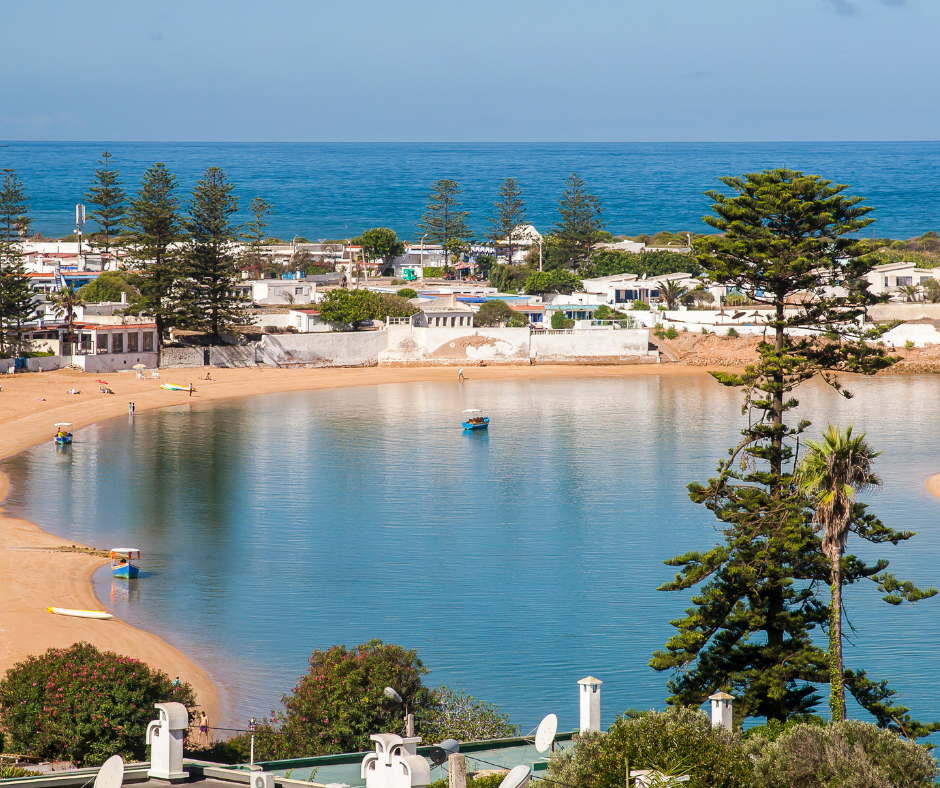
Morocco is one of the world’s most enchanting destinations. Nestled at the crossroads of Europe and Africa, it offers a unique blend of ancient traditions, vibrant culture, and breathtaking landscapes. Whether you are planning your first trip or returning for a new adventure, to visit Morocco is to step into a land of contrasts—bustling medinas, golden deserts, snow-capped mountains, and charming coastal towns.
Why Visit Morocco?

Why Visit Morocco

Few destinations combine history, culture, and nature as seamlessly as Morocco. Here’s why Morocco should be on your travel list in 2025:

  • Rich Cultural Heritage – Wander through ancient medinas in Fez and Marrakech, where traditions date back over a thousand years.

  • Diverse Landscapes – From the Sahara Desert dunes to the Atlas Mountains and Atlantic beaches, Morocco offers breathtaking scenery.

  • Warm Hospitality – Moroccans are famously welcoming, always ready with mint tea and a smile.

Accessibility – Just a few hours by plane from Europe, Morocco is an easy yet exotic escape.

Visiting Morocco for the First Time: What to Expect

If you’re visiting Morocco for the first time, here are practical tips:

  • Currency – Moroccan Dirham (MAD).

  • Language – Arabic and French are widely spoken; English is common in tourist areas.

  • Transportation – Trains are excellent between major cities; buses and private transfers for remote areas.

  • Cultural Etiquette – Greetings are important; always ask before photographing people.

Bargaining – Expect to negotiate in souks—it’s part of the culture.

Do I Need a Visa to Visit Morocco?

Do I Need a Visa to Visit Morocco__

Visa requirements depend on your nationality:

  • Visa-Free Entry – Citizens of the U.S., Canada, UK, EU, Australia, and many others can visit Morocco visa-free for up to 90 days.
  • Visa Required – Some nationalities must apply in advance.
  • Passport Validity – Ensure your passport is valid for at least 6 months beyond your entry date.

Always check with your local Moroccan consulate before traveling.

Best Places to Visit in Morocco

Morocco has no shortage of incredible destinations. Below are the best cities to visit in Morocco along with some hidden gems.

Marrakech – The Red City

Marrakech is one of the most visited cities in Morocco, famous for its vibrant souks, palaces, and gardens. The Djemaa el-Fna square comes alive at night with storytellers, musicians, and street food vendors. Luxury travelers will also love Marrakech’s boutique riads and five-star resorts.

Highlights:

  • Majorelle Garden
  • Bahia Palace
  • Souks of the Medina
  • Hammam spa experiences

Fez – The Cultural Capital

Fez is considered Morocco’s spiritual and cultural heart. Its old medina, Fez el-Bali, is a UNESCO World Heritage site and one of the world’s largest pedestrian zones.

Highlights:

  • Al Quaraouiyine University (the world’s oldest)
  • Traditional tanneries
  • Medina labyrinths perfect for exploration

Chefchaouen – The Blue Pearl

Known for its blue-painted streets, Chefchaouen is a dream destination for photographers and those seeking a slower pace. It’s also a gateway to the Rif Mountains for hiking.

Casablanca – The Modern Hub

As Morocco’s economic capital, Casablanca blends modern architecture with cultural heritage. While many tourists focus on Marrakech or Fez, Casablanca offers a glimpse into Morocco’s contemporary side.

Highlights:

  • Hassan II Mosque
  • Corniche seaside promenade
  • Stylish cafés and nightlife

Rabat – The Capital City

Often overlooked, Rabat is Morocco’s political capital and a clean, safe, and relaxed city to explore.

Highlights:

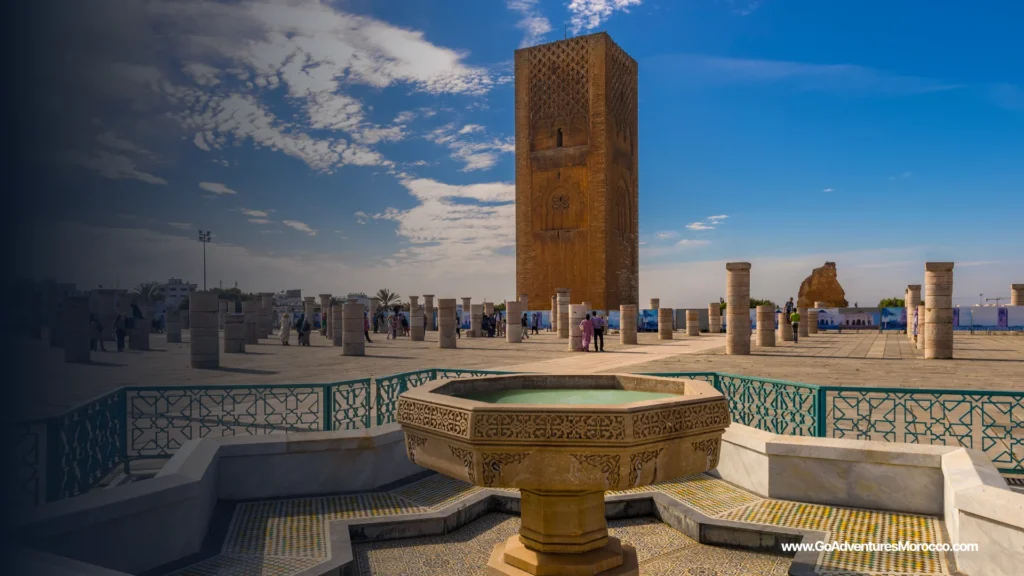
  • Hassan Tower
  • Kasbah of the Udayas
  • Bouregreg Marina

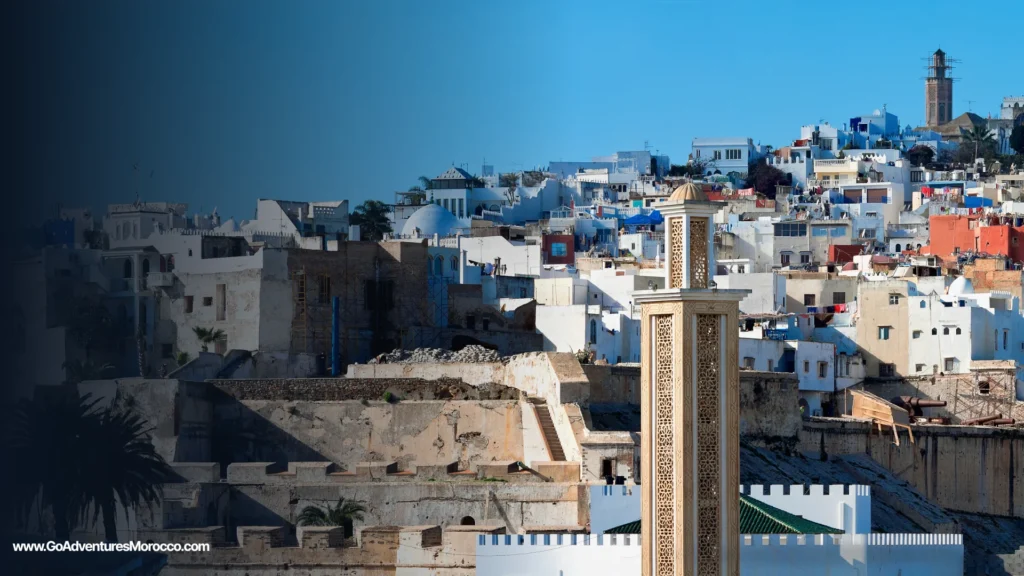
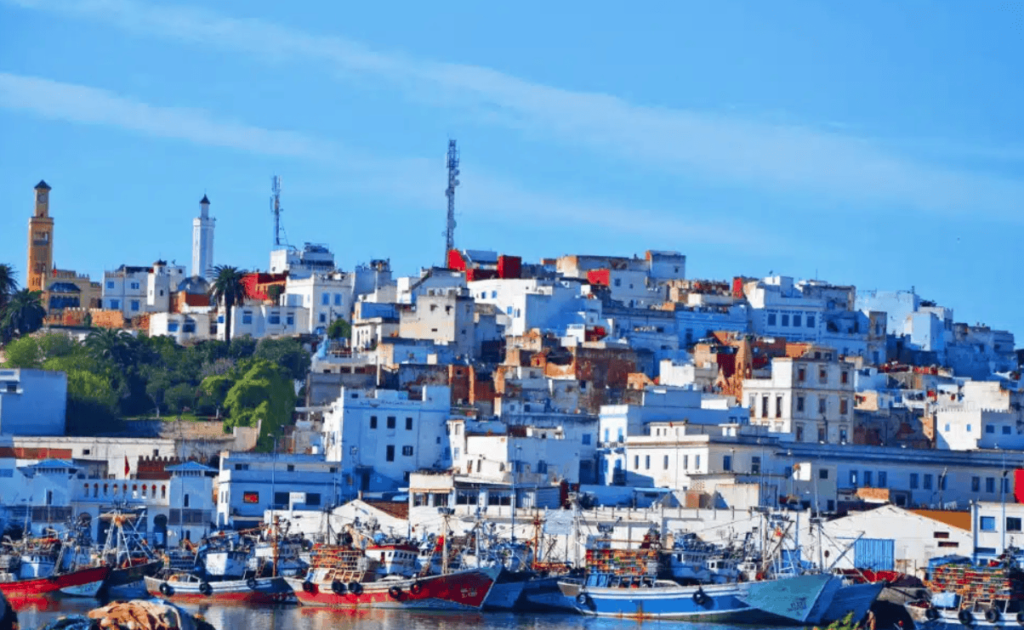
Tangier – Gateway Between Europe and Africa

Tangier has long been a meeting point for cultures. It’s a fascinating stop for travelers arriving by ferry from Spain.

The Sahara Desert – A Once-in-a-Lifetime Experience

No trip is complete without spending a night in the Sahara Desert. From camel treks to luxury desert camps, this is a highlight for both youth adventurers and luxury seekers.

Best Sahara Spots: Merzouga (Erg Chebbi dunes) and Zagora.

Essaouira – Coastal Escape

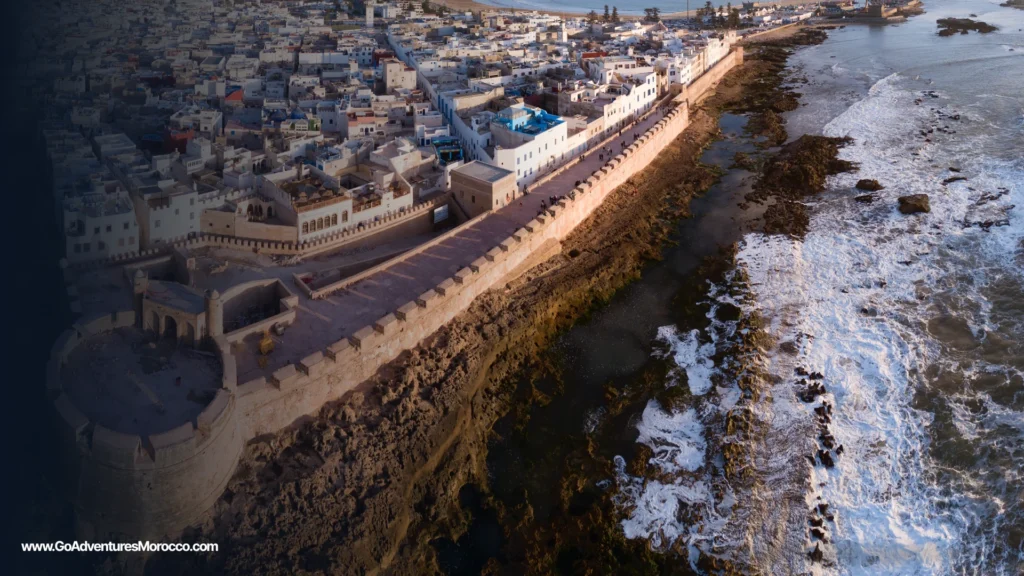
A charming seaside town with Portuguese fortifications, Essaouira is known for kite surfing, seafood, and artistic vibes.

The Atlas Mountains

For hikers and nature lovers, the High Atlas offers snow-capped peaks, traditional Berber villages, and opportunities for trekking.

Top 5 Most Visited Cities in Morocco

While the country is filled with hidden gems, a few cities consistently draw the most visitors. The most visited cities in Morocco include:

  1. Marrakech: The undeniable leader, thanks to its vibrant energy, historical sites, and proximity to the Atlas Mountains and desert.
  2. Fez: A close second for those seeking a deeper cultural and historical experience. Its medina is a major draw.
  3. Casablanca: As the economic hub, many international flights land here. While often a transit city, the Hassan II Mosque is a magnificent must-see attraction.
  4. Chefchaouen: Its unique blue aesthetics have made it a social media darling, attracting travelers seeking its picturesque charm.
  5. Essaouira: Popular for its relaxed atmosphere, beautiful beach, and a welcome break from the hustle and bustle of the imperial cities.

How Many Days Needed to Visit Morocco?

The ideal length of your trip depends on how much you want to see. The question of “how many days needed to visit Morocco” is highly personal. A short trip will give you a taste, but a longer one will allow you to truly immerse yourself.

  • 7 Days: This is a good amount of time for a focused trip. You could explore two or three key cities, such as a loop from Marrakech to the desert and back, or a journey through the Imperial Cities (Fez, Meknes, and Rabat). This is a fast-paced but rewarding itinerary.
  • 10-14 Days: This is the sweet spot for a comprehensive trip. It allows you to explore the imperial cities, experience the Sahara Desert, and spend time in a relaxed coastal town. You can travel at a more leisurely pace, allowing for spontaneous discoveries. A popular route is the “Grand Tour,” which includes Marrakech, the High Atlas, the Sahara, Fez, and a final stop in Rabat or Casablanca.
  • 3 Weeks or More: For the truly adventurous, a longer trip allows for deep dives into specific regions. You can trek in the Atlas Mountains, explore the country’s north, and spend ample time relaxing on the coast.

Best Time to Visit Morocco

Choosing the best time to visit Morocco is crucial to the success of your trip, as the country experiences a wide range of climates. The optimal periods are spring (mid-March to May) and autumn (September to October).

During these seasons, the best time to visit Morocco weather is mild and pleasant across the country. The days are warm and sunny, perfect for exploring cities and hiking, while the evenings are cool and comfortable. This is when the landscape is at its most beautiful, with vibrant wildflowers blooming in the spring and a gentle golden light in the autumn.

  • Spring (March – May): Ideal for general travel. The weather is perfect for sightseeing in cities like Marrakech and Fez, and the mountains are accessible for trekking.
  • Autumn (September – October): Another fantastic window. The summer heat has subsided, making the desert and southern regions more enjoyable to explore. The crowds are also a bit thinner than in the peak of spring.

What About the Off-Seasons?

  • Summer (June – August): The heat can be intense, especially in the Sahara Desert and inland cities like Marrakech and Fez. However, this is the best season to visit Morocco for coastal areas like Essaouira and Agadir, where ocean breezes provide relief. It’s also a good time for budget travelers, as prices for flights and accommodations tend to be lower.

Winter (November – February): The weather can be cool and rainy, particularly in the north. However, the south remains mild and sunny. The High Atlas Mountains get snow, making it a unique destination for skiing and snowboarding.

Ultimately, the best month to visit Morocco depends on your planned activities. If you’re focusing on the desert, aim for autumn or spring. If you’re a sun worshipper who loves the coast, summer is your time.

Best Time to Visit Morocco Weather

  • North (Tangier, Chefchaouen) – Mediterranean climate, mild winters, hot summers.

  • Central Morocco (Marrakech, Fez) – Hot summers (40°C+) and cool winters.

  • Sahara Desert – Scorching days, freezing nights.

  • Mountains – Cold winters with snow, cool summers perfect for trekking.

Tip: Always pack layers since Moroccan weather varies significantly by region.

Is Morocco Safe to Visit? A Traveler's Perspective

A common question for anyone considering this trip is, “Is Morocco safe to visit?” The short answer is yes, overwhelmingly so. Morocco is known for its hospitality and is a very safe country for tourists, including solo female travelers, but should dress modestly and be cautious of unwanted attention.

However, like any popular tourist destination, it’s essential to be aware of your surroundings and take standard precautions. In the bustling medinas of Marrakech and Fez, you may encounter aggressive touts or “Faux Guides” who will try to lead you to shops or “help” you for a fee. A firm but polite “No, thank you” is usually enough to deter them.

A few key tips for a safe and enjoyable trip:

  • Be aware of your personal belongings, especially in crowded areas.
  • Dress respectfully, particularly when visiting religious sites.
  • Avoid walking alone in poorly lit medina alleys at night. Stick to well-lit, populated areas.
  • Haggle respectfully and with a smile. It’s part of the cultural experience.

By following common sense, you’ll find that the Moroccan people are incredibly welcoming and will go out of their way to make you feel at home.

Health & Hygiene – Tap water is safe in cities, but bottled water is recommended.

Overall, Morocco is one of the safest countries in North Africa for Western tourists.

We offer affordable guided tours and experiences by local experts, ranging from day trips to historic cities and sites of natural beauty, oil tasting and cookery classes, hot air balloon rides, desert adventures, and comprehensive tours spanning from 7 – 14 days.

Conclusion: Your Moroccan Adventure Awaits

From the moment you step into the bustling streets of Marrakech to the peaceful silence of the Sahara, visiting Morocco is an adventure that will engage all your senses. It’s a country that will challenge your perceptions, reward your curiosity, and leave you with memories that last a lifetime. With this guide, you now have the tools to plan a trip that is not only well-informed but also deeply personal and enriching. Go forth and explore the magic of Morocco—it’s waiting for you.

Relax and Rejuvenate: Discover the Traditional Moroccan Hammam Experience

Relax and Rejuvenate: Discover the Traditional Moroccan Hammam Experience

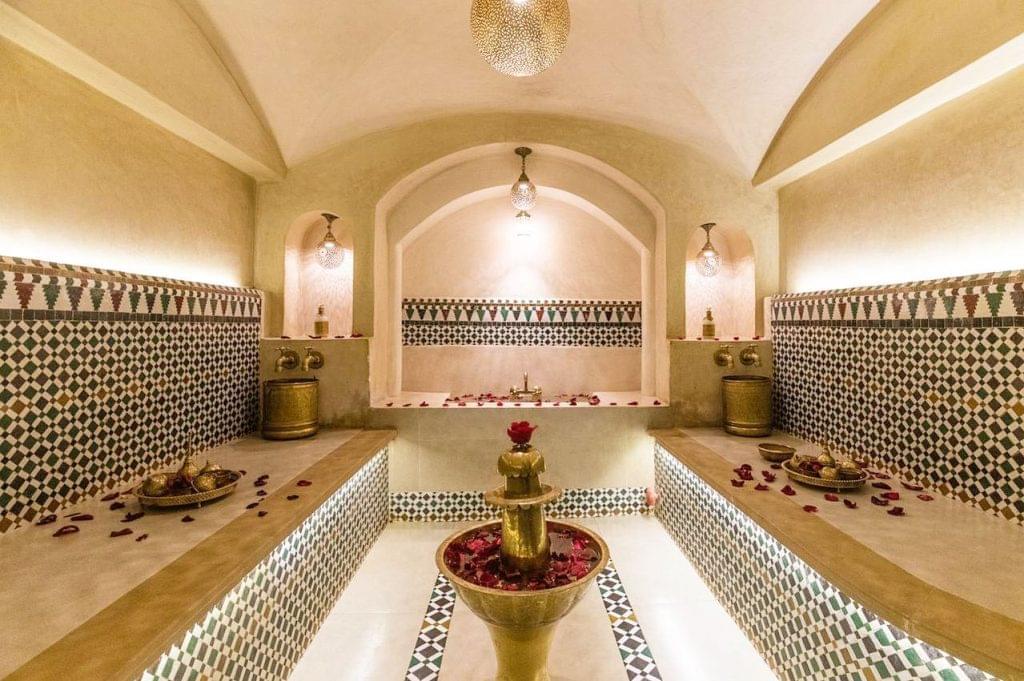
Moroccan Hammam interior

When traveling through Morocco, one experience you shouldn’t miss is a visit to a traditional Hammam — a public bathhouse that has been a cornerstone of Moroccan culture for centuries. This ritual of cleansing and relaxation is both therapeutic and cultural, offering a unique way to connect with Moroccan life.

What Is a Hammam?

A Hammam is a steam bathhouse where people go to cleanse their bodies and relax. Traditionally, Moroccans visit their local Hammam weekly — it’s not just for hygiene, but also for community and wellbeing.

The Traditional Hammam Experience

The process usually involves several steps:

  • Warming up in a steam room to open the pores and relax the muscles.
  • Applying black soap (savon beldi), made from olive oil, to cleanse the skin.
  • Exfoliation with a kessa glove, removing dead skin and leaving the body refreshed.
  • Rinsing with warm and cold water to close the pores.

Some Hammams also offer massages or ghassoul (clay mask treatments) for a full spa-like experience.

Public vs. Private Hammams

There are two types of Hammams in Morocco:

  • Public Hammams: Very affordable and used mainly by locals. A great cultural experience, though modest and often gender-separated.
  • Luxury/Private Hammams: Found in many riads and hotels. These offer a more comfortable and private version, ideal for first-timers.

Where to Try It

You’ll find Hammams in every Moroccan city and village. In Marrakech, some top-rated ones include Hammam de la Rose and Les Bains de Marrakech. In Fes, try Hammam Mernissi or a traditional one in the medina.

Tips for First-Timers

  • Bring flip-flops, a towel, and a change of clothes.
  • Expect partial nudity in public hammams (men and women are usually separated).
  • If unsure, start with a private spa version to get comfortable.

More Than Just a Bath

The Hammam is not just about physical cleansing — it’s about slowing down, relaxing, and connecting with centuries of Moroccan tradition. Whether you choose a local Hammam or a luxury spa, the experience will leave you refreshed, renewed, and deeply relaxed.

Moroccan black soap and spa items

Explore Our Tour

Discover Chefchaouen: Morocco’s Magical Blue City

Discover Chefchaouen: Morocco’s Magical Blue City

Chefchaouen blue streets

Nestled in the Rif Mountains of northern Morocco, Chefchaouen is a destination unlike any other. Known around the world as the “Blue Pearl” of Morocco, this charming city is famous for its striking blue-washed streets, relaxed atmosphere, and breathtaking mountain scenery.

Why is Chefchaouen Blue?

The origin of the city’s blue color is debated. Some say it was introduced by Jewish refugees in the 1930s as a symbol of peace and heaven. Others believe the blue wards off mosquitoes. Regardless of its origin, the color gives the town a calm and mystical feeling that captures every traveler’s heart.

Top Things to Do in Chefchaouen

  • Wander the Medina – Get lost in narrow alleys filled with art, textiles, and handcrafted goods.
  • Visit the Kasbah – Explore the old fortress and its small museum, then enjoy views from the tower.
  • Hike to the Spanish Mosque – A short uphill walk rewards you with stunning sunset views over the city.
  • Try local dishes – Don’t miss dishes like bissara (fava bean soup) and traditional goat cheese.

Best Time to Visit

Chefchaouen is beautiful year-round, but spring (March–May) and autumn (September–November) offer the most pleasant weather — warm days and cool evenings, perfect for exploring.

How to Get There

You can reach Chefchaouen by road from major cities like Fes (4–5 hours) or Tangier (2.5 hours). While there’s no train service, shared taxis and private transfers are available.

Experience Authentic Morocco

If you’re looking to discover Morocco beyond the typical tourist stops, Chefchaouen is a must-visit. With its peaceful vibes, welcoming locals, and jaw-dropping photo spots, it’s easy to fall in love with this blue mountain gem.

Chefchaouen sunset view from the Spanish mosque

These experiences require local knowledge to find. Contact us to arrange your authentic adventure – every tour helps preserve these traditions.

Secret Morocco: 7 Local Experiences You Won’t Find in Guidebooks

Secret Morocco: 7 Local Experiences You Won’t Find in Guidebooks

Beyond the famous sights, Morocco hides extraordinary cultural traditions known only to locals. Here are seven authentic experiences that reveal the soul of our country.

1. The Midnight Henna Ceremony in Zagora

In remote desert villages, women gather after dark for private henna ceremonies filled with ancient songs. We can arrange respectful visits to witness this sacred tradition.

Desert henna ceremony in Zagora at night

2. The Cliffside Honey Harvest of Imouzzer

Brave villagers harvest honey from vertical cliffs using 300-year-old rope techniques. Visit in spring to taste this rare “mountain gold” straight from the comb.

Cliffside honey harvesting in Imouzzer

3. Salt Caravans of the Hidden Sahara

Near the Algerian border, the last salt traders still transport slabs via camel along forgotten routes. Join a half-day caravan to experience this vanishing tradition.

Salt caravan in the Sahara desert

4. The Secret Pottery Caves of Tamegroute

Beneath an ancient Quranic library, artisans still craft emerald-green pottery using techniques unchanged since the 17th century.

Tamegroute pottery caves workshop

5. Nomadic Star Stories in the Draa Valley

Berber elders share constellations stories passed down through generations during private desert astronomy sessions.

Nomadic stargazing in Draa Valley

6. The Hidden Tuna Rituals of Larache

At this Atlantic port, watch fishermen perform the ancient “almadraba” tuna net dance, said to bring good catches.

Traditional tuna fishing in Larache

7. The Mountain Barber of Tizi Oussem

In this High Atlas village, the last traveling barber still gives haircuts using methods from his grandfather’s time.

Ready for Real Morocco?

These experiences require local knowledge to find. Contact us to arrange your authentic adventure – every tour helps preserve these traditions.

Discover 5 rare Moroccan cultural experiences most tourists miss

5 Authentic Moroccan Experiences Most Tourists Never Discover

Beyond the well-trodden paths of Marrakech and Fes lies a Morocco few visitors get to experience. At Go Adventures Morocco, we specialize in connecting travelers with these rare cultural moments. Here are five extraordinary experiences that will show you the heart of our country.

1. Bread-Baking with Berber Women in the High Atlas

In remote mountain villages, join local women as they teach you to prepare msemen (flaky flatbread) in traditional clay ovens. This intimate cultural exchange supports female-led cooperatives.

Berber women baking bread in Atlas Mountains

2. Gnawa Music Under the Stars in Essaouira

Venture beyond the medina to private rooftop gatherings where master musicians play hypnotic Gnawa rhythms late into the night – Morocco’s answer to blues music.

Gnawa musicians performing in Essaouira at night

3. Fossil Hunting in the Erfoud Desert

The rocky deserts near Erfoud contain 400-million-year-old marine fossils. Local guides can show you how to identify ancient ammonites and trilobites embedded in the stone.

Desert fossil hunting near Erfoud Morocco

4. Olive Harvesting in the Rif Mountains

Each autumn, families welcome help with the olive harvest. Participate in this centuries-old tradition, then taste oil pressed the same day at local mills.

Olive harvesting in Moroccan mountains

5. Oasis Gardening in the Draa Valley

Learn ancient irrigation techniques from farmers who coax dates, pomegranates and roses from the desert. Their falaj water systems date back to the 11th century.

Date palm oasis in Draa Valley Morocco

Want the Real Morocco?

These experiences are just a sample of what we can arrange for travelers who want to go deeper. Contact us to design your personalized cultural adventure – every tour helps support local communities.

Skip the crowds and uncover the hidden gems of Morocco! Discover 5 authentic and lesser-known destinations for a unique travel experience.

Hidden Gems of Morocco: 5 Off-the-Beaten-Path Places You’ll Fall in Love With

When most travelers think of Morocco, they imagine the bustling souks of Marrakech, the blue streets of Chefchaouen, or the golden dunes of the Sahara. But Morocco is full of lesser-known treasures just waiting to be discovered. If you’re looking to escape the crowds and experience authentic Moroccan beauty, here are five hidden gems to add to your travel list.

1. Tafraoute – The Pink Granite Paradise

Nestled in the Anti-Atlas Mountains, Tafraoute is a peaceful village surrounded by surreal pink granite rock formations. Famous for its vibrant painted rocks and quiet ambiance, it’s a haven for hikers and photographers.

Tafraoute Mountains

2. Sidi Ifni – Art Deco by the Sea

This sleepy coastal town boasts Spanish colonial architecture, a laid-back vibe, and uncrowded beaches. If you love history and surf, Sidi Ifni is perfect for you.

Sidi Ifni Beach

3. Akchour – Hidden Waterfalls & Emerald Pools

Located near Chefchaouen, Akchour offers beautiful hiking trails that lead to turquoise pools and cascading waterfalls. It’s a magical escape into nature, ideal for day-trippers and adventure lovers.

Akchour Waterfalls

4. El Jadida – Portugal in Morocco

This former Portuguese colony on the Atlantic coast features fortified ramparts and a haunting underground cistern. It’s rich in history and charm, yet still under most tourists’ radar.

Portuguese Cistern in El Jadida

5. Oualidia – The Lagoon of Tranquility

A favorite among locals, Oualidia is a serene beach town with a calm lagoon perfect for swimming, kayaking, and enjoying fresh seafood. It’s ideal for couples and families looking to relax away from the big cities.

Oualidia Lagoon

Ready to explore Morocco differently?

If you want to discover the real Morocco, far from tourist crowds, get in touch with us to plan your perfect off-the-beaten-path adventure.

5 Tips for Planning the Perfect Morocco Travel Itinerary

5 Tips for Planning the Perfect Morocco Travel Itinerary

Morocco is a land of contrasts — from the golden Sahara dunes to the snowcapped Atlas Mountains, from vibrant medinas to serene beaches. But with so much to explore, building the right travel itinerary can be overwhelming. Here are 5 essential tips to help you plan an unforgettable trip across Morocco!

🗺️ 1. Choose Your Priorities

Are you dreaming of desert adventures, historical cities, or coastal escapes? Morocco has it all — but trying to fit everything in one trip may leave you rushed. Focus on a few regions based on your interests. For example:

  • Cultural & Historic: Fes, Meknes, Marrakech
  • Nature & Adventure: Atlas Mountains, Dades Gorges, Sahara Desert
  • Relaxation & Surfing: Essaouira, Agadir, Taghazout

🕒 2. Be Realistic with Time

Morocco may look small on the map, but travel between destinations takes time — especially on mountain or rural roads. Avoid packing too many cities into a short trip. Instead, stay longer in fewer places to truly experience them.

🚐 3. Plan Your Transportation

Trains, buses, and private tours all work well in Morocco, but some routes (like to the Sahara) are best done with a private driver or guided tour. Consider using:

  • Train: Best between major cities like Casablanca, Rabat, Fes, and Marrakech
  • Bus: CTM and Supratours offer comfortable long-distance travel
  • Private Tour: Ideal for Sahara Desert, mountains, or flexible road trips

🎒 4. Pack Smart

Morocco’s climate varies by region and season. Bring layers, especially if traveling between mountains, cities, and desert. Essentials include:

  • Comfortable walking shoes
  • Light scarf for sun or mosque visits
  • Sunscreen and sunglasses
  • Warm jacket (for desert nights or mountain regions)

📅 5. Leave Room for Spontaneity

Some of Morocco’s best moments happen unplanned — a mint tea with locals, getting lost in a souk, or finding a quiet rooftop with a view. Don’t overschedule. Leave room in your itinerary to explore, get inspired, and make memories naturally.

✨ Final Thoughts

Morocco is not just a destination — it’s a feeling. By planning thoughtfully and staying flexible, you’ll create a journey that’s rich in experience, culture, and wonder. And if you need help organizing your itinerary, we’re here to guide you every step of the way.

📌 Let’s Plan Your Moroccan Adventure Together

A Food Lover’s Guide to Moroccan Cuisine: What to Eat & Where

A Food Lover’s Guide to Moroccan Cuisine: What to Eat & Where

Morocco’s culinary heritage is as rich as its culture. With influences from Berber, Arab, Mediterranean, and French traditions, the food here is colorful, flavorful, and unforgettable. If you’re a food lover, this guide will walk you through the must-try Moroccan dishes — and where to find them.

🍛 Tagine

Tagine is both the name of the dish and the pot it’s cooked in. Slow-cooked with spices, vegetables, and either chicken, lamb, or fish — it’s Morocco’s signature dish. Try chicken tagine with preserved lemon and olives in Marrakech or lamb tagine with prunes in Fes.

🥘 Couscous

Traditionally served on Fridays, couscous is steamed semolina topped with vegetables and meat. It’s hearty, comforting, and often garnished with caramelized onions and raisins. The best couscous is often homemade — ask your local guide!

Traditional Moroccan couscous with vegetables and lamb

🌯 Moroccan Street Food

  • Harira: A traditional soup, often eaten during Ramadan.
  • Maakouda: Fried potato cakes sold in local markets.
  • B’stilla: A sweet-and-savory pie made with chicken or pigeon, dusted with cinnamon and sugar.

Head to Jemaa el-Fnaa in Marrakech for the ultimate street food experience!

🥖 Bread & Dips

Bread (khobz) is served with every meal. Try it with zaalouk (eggplant dip), taktouka (pepper-tomato dip), or fresh olive oil in the countryside. Each region has its own style — thick, fluffy, or crusty.

🍵 Mint Tea

Known as “Moroccan whisky,” mint tea is more than a drink — it’s a symbol of hospitality. Made with green tea, fresh mint, and lots of sugar, it’s offered at every meal and social occasion.

🍬 Sweet Treats

Don’t miss chebakia (honey-sesame pastries), ghriba cookies, or fresh dates and nuts from the souks. Enjoy with tea after dinner or during market strolls.

🗺️ Where to Eat

  • Luxury Riads & Restaurants: For gourmet twists on traditional dishes.
  • Family-Run Spots: For real home-cooked flavor, especially in the medinas.
  • Local Markets: For authentic bites and fresh produce.

🍴 Final Word

Morocco is a paradise for food lovers. Whether you’re savoring slow-cooked tagine in a riad or grabbing street food in a bustling square, every meal is an experience. Let us take you on a journey through taste and tradition!

🍽️ Join Us for a Culinary Adventure in Morocco


GO ADVENTURES MOROCCO
Tours

About
FAQs

© 2024 Go Adventures Morocco. All rights reserved.

By Norden