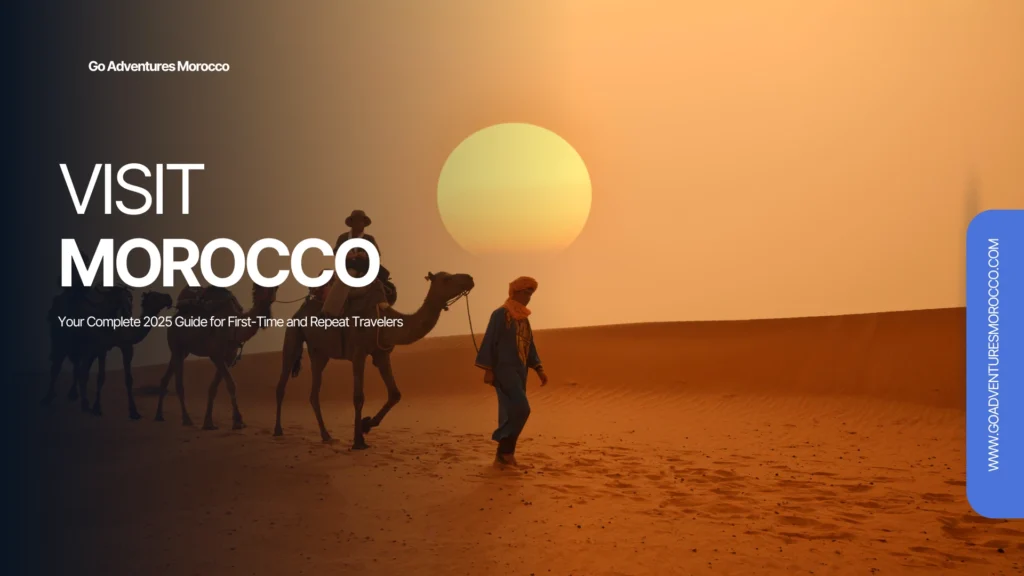
Welcome, adventurers, dreamers, and curious souls. You’ve been captivated by the siren call of Morocco, a land of ancient cities, breathtaking landscapes, and a culture so rich it will stay with you long after you’ve returned home. Whether you’re a seasoned globetrotter or planning your first international trip, this guide is your definitive resource for planning a perfect trip to Morocco.
We’ll dive deep into everything you need to know, from the practicalities of travel to the most enchanting experiences waiting for you. Get ready to discover why visiting Morocco is an experience unlike any other.
Morocco is one of the world’s most enchanting destinations. Nestled at the crossroads of Europe and Africa, it offers a unique blend of ancient traditions, vibrant culture, and breathtaking landscapes. Whether you are planning your first trip or returning for a new adventure, to visit Morocco is to step into a land of contrasts—bustling medinas, golden deserts, snow-capped mountains, and charming coastal towns.
Why Visit Morocco?
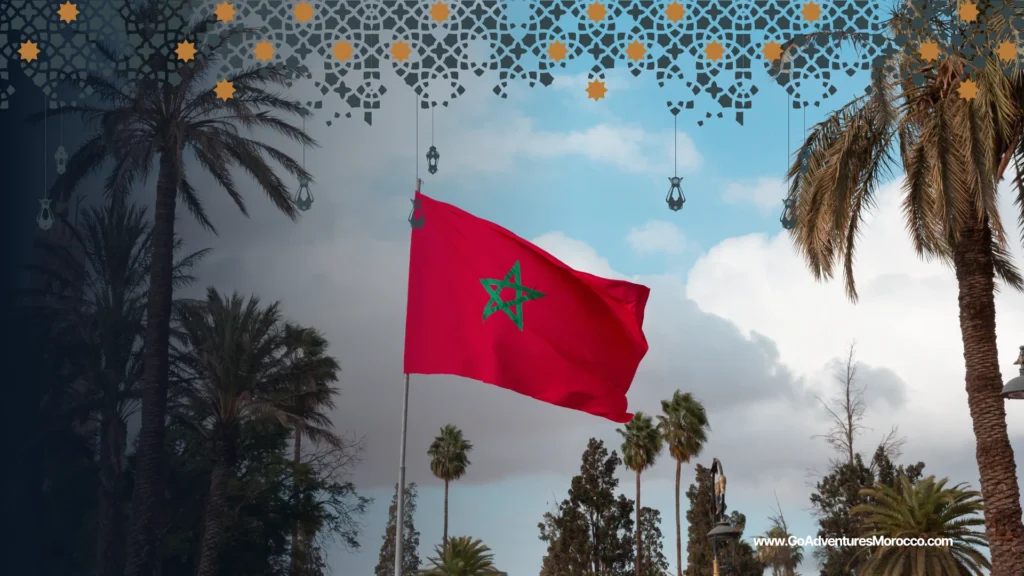
Few destinations combine history, culture, and nature as seamlessly as Morocco. Here’s why Morocco should be on your travel list in 2025:
- Rich Cultural Heritage – Wander through ancient medinas in Fez and Marrakech, where traditions date back over a thousand years.
- Diverse Landscapes – From the Sahara Desert dunes to the Atlas Mountains and Atlantic beaches, Morocco offers breathtaking scenery.
- Warm Hospitality – Moroccans are famously welcoming, always ready with mint tea and a smile.
Accessibility – Just a few hours by plane from Europe, Morocco is an easy yet exotic escape.
Visiting Morocco for the First Time: What to Expect
If you’re visiting Morocco for the first time, here are practical tips:
- Currency – Moroccan Dirham (MAD).
- Language – Arabic and French are widely spoken; English is common in tourist areas.
- Transportation – Trains are excellent between major cities; buses and private transfers for remote areas.
- Cultural Etiquette – Greetings are important; always ask before photographing people.
Bargaining – Expect to negotiate in souks—it’s part of the culture.
Do I Need a Visa to Visit Morocco?
Visa requirements depend on your nationality:
- Visa-Free Entry – Citizens of the U.S., Canada, UK, EU, Australia, and many others can visit Morocco visa-free for up to 90 days.
- Visa Required – Some nationalities must apply in advance.
- Passport Validity – Ensure your passport is valid for at least 6 months beyond your entry date.
Always check with your local Moroccan consulate before traveling.
Best Places to Visit in Morocco
Morocco has no shortage of incredible destinations. Below are the best cities to visit in Morocco along with some hidden gems.
Marrakech – The Red City
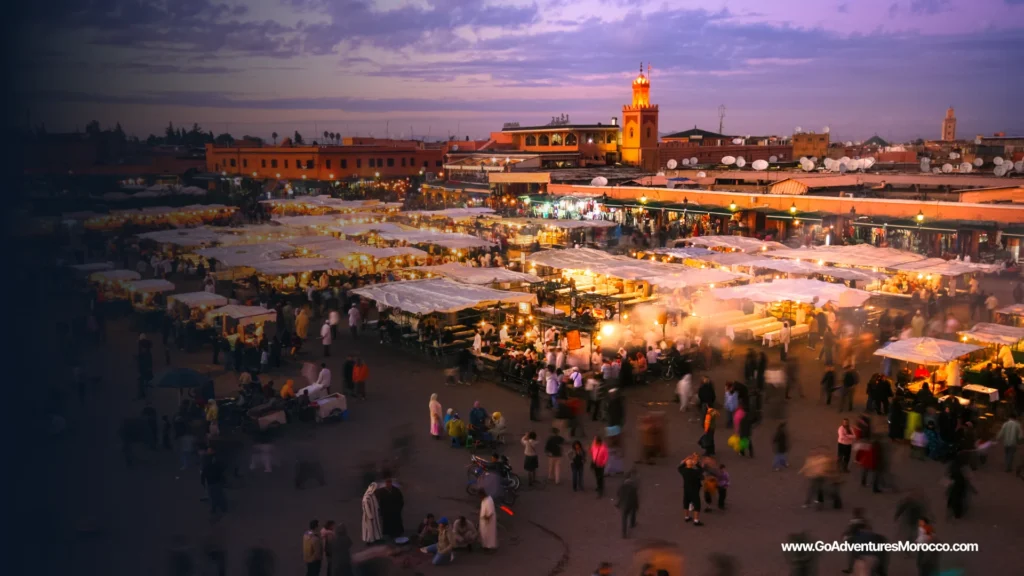
Marrakech is one of the most visited cities in Morocco, famous for its vibrant souks, palaces, and gardens. The Djemaa el-Fna square comes alive at night with storytellers, musicians, and street food vendors. Luxury travelers will also love Marrakech’s boutique riads and five-star resorts.
Highlights:
- Majorelle Garden
- Bahia Palace
- Souks of the Medina
- Hammam spa experiences
Fez – The Cultural Capital
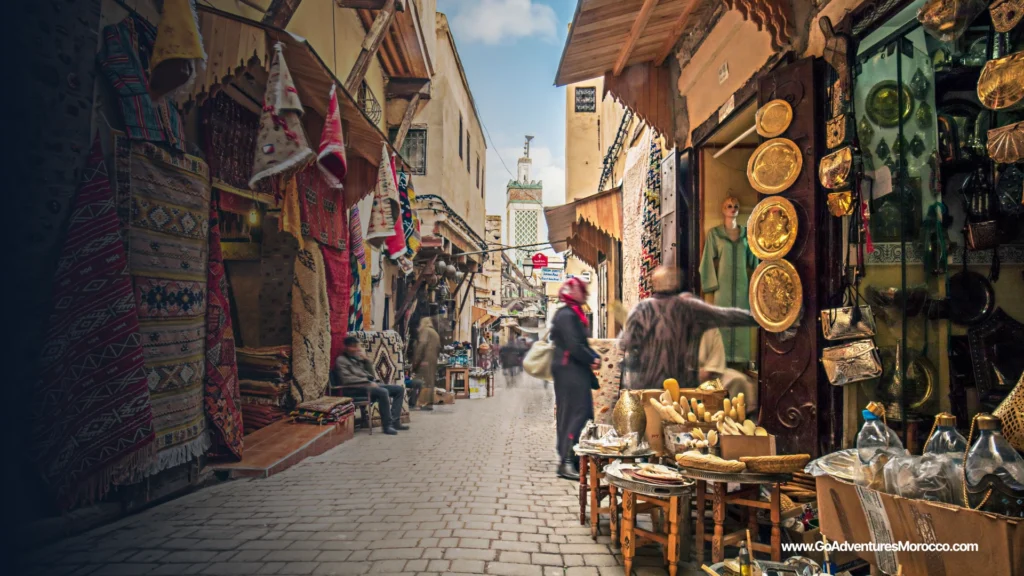
Fez is considered Morocco’s spiritual and cultural heart. Its old medina, Fez el-Bali, is a UNESCO World Heritage site and one of the world’s largest pedestrian zones.
Highlights:
- Al Quaraouiyine University (the world’s oldest)
- Traditional tanneries
- Medina labyrinths perfect for exploration
Chefchaouen – The Blue Pearl
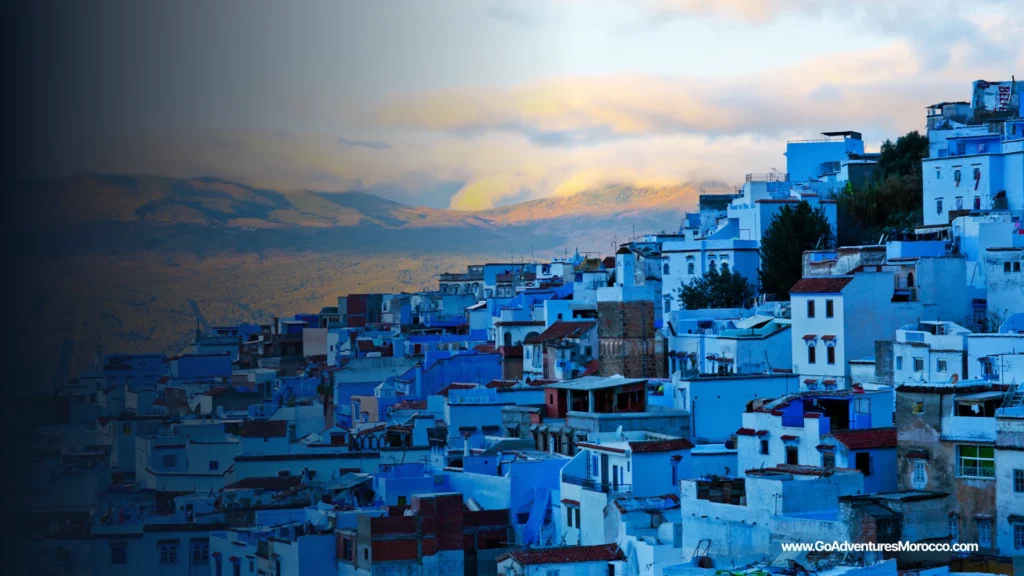
Known for its blue-painted streets, Chefchaouen is a dream destination for photographers and those seeking a slower pace. It’s also a gateway to the Rif Mountains for hiking.
Casablanca – The Modern Hub
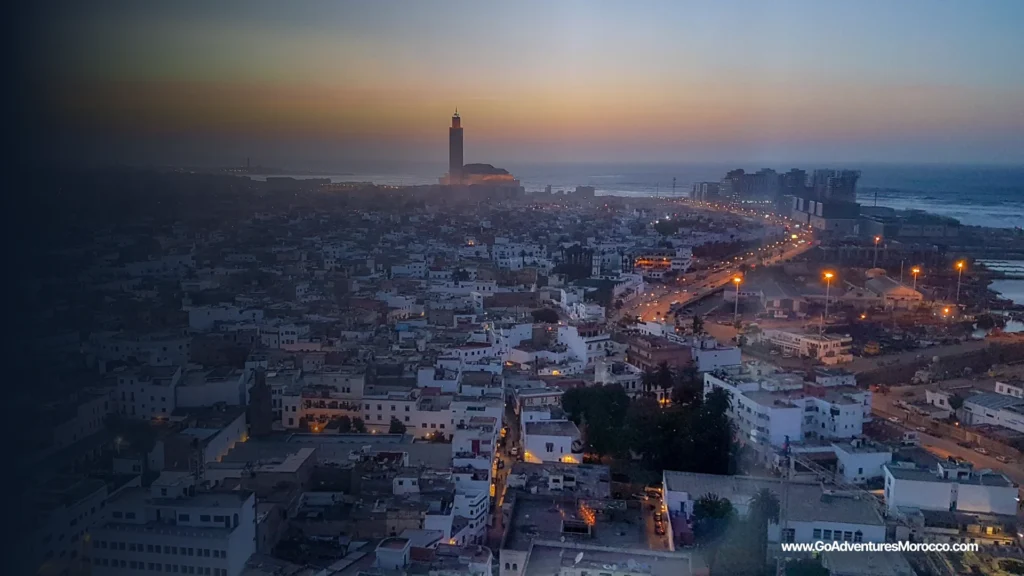
As Morocco’s economic capital, Casablanca blends modern architecture with cultural heritage. While many tourists focus on Marrakech or Fez, Casablanca offers a glimpse into Morocco’s contemporary side.
Highlights:
- Hassan II Mosque
- Corniche seaside promenade
- Stylish cafés and nightlife
Rabat – The Capital City
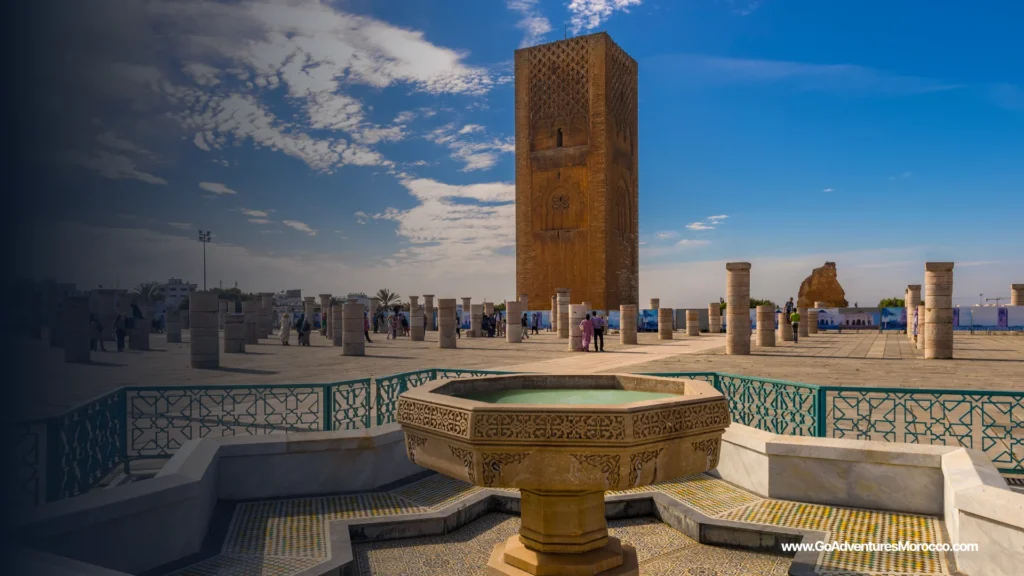
Often overlooked, Rabat is Morocco’s political capital and a clean, safe, and relaxed city to explore.
Highlights:
- Hassan Tower
- Kasbah of the Udayas
- Bouregreg Marina
Tangier – Gateway Between Europe and Africa
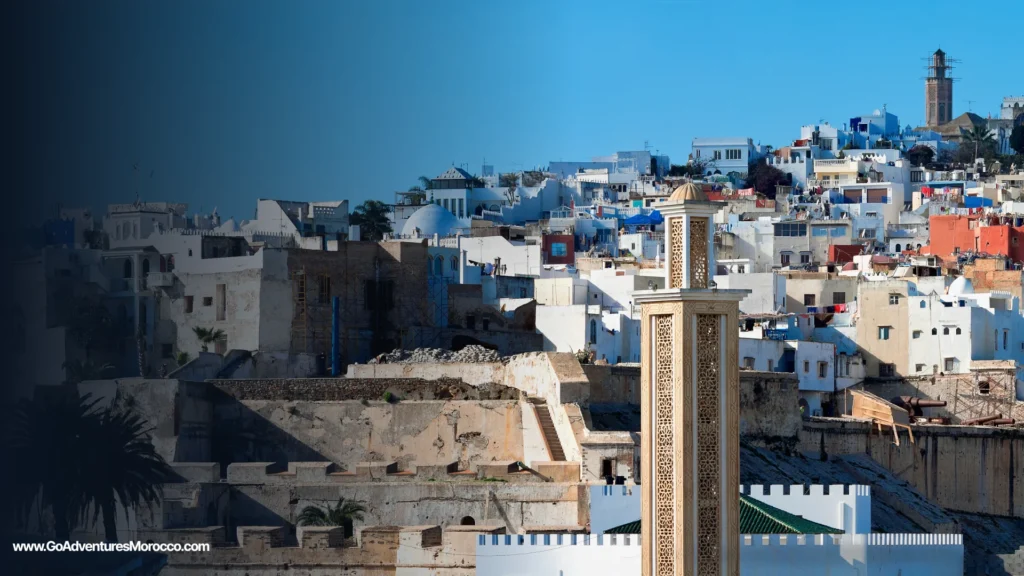
Tangier has long been a meeting point for cultures. It’s a fascinating stop for travelers arriving by ferry from Spain.
The Sahara Desert – A Once-in-a-Lifetime Experience
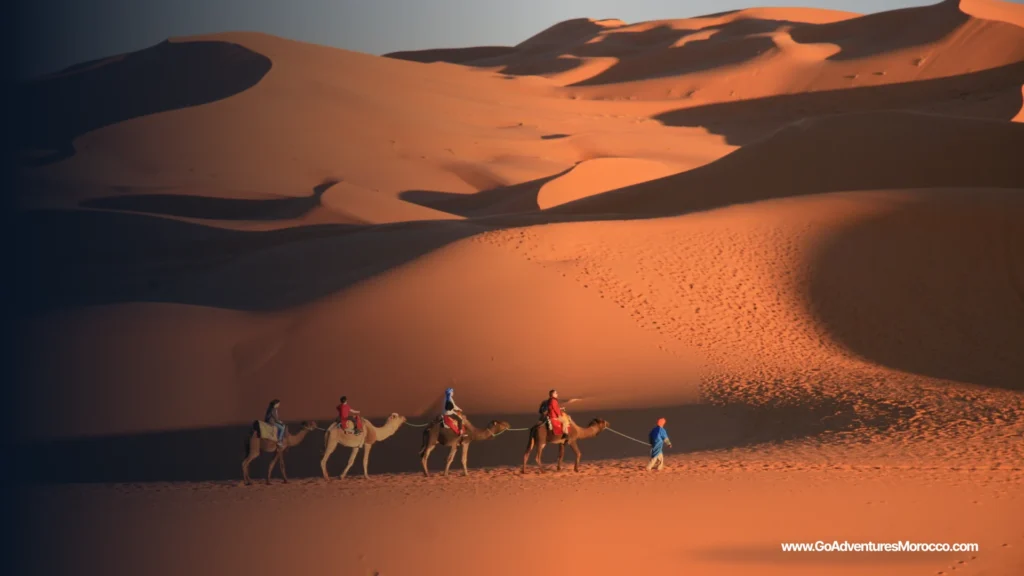
No trip is complete without spending a night in the Sahara Desert. From camel treks to luxury desert camps, this is a highlight for both youth adventurers and luxury seekers.
Best Sahara Spots: Merzouga (Erg Chebbi dunes) and Zagora.
Essaouira – Coastal Escape
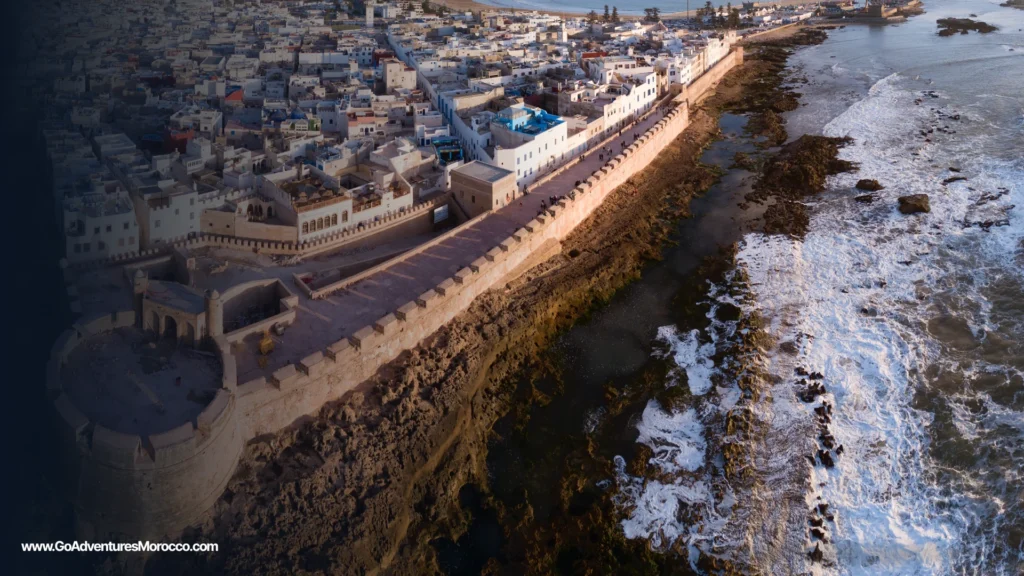
A charming seaside town with Portuguese fortifications, Essaouira is known for kite surfing, seafood, and artistic vibes.
The Atlas Mountains
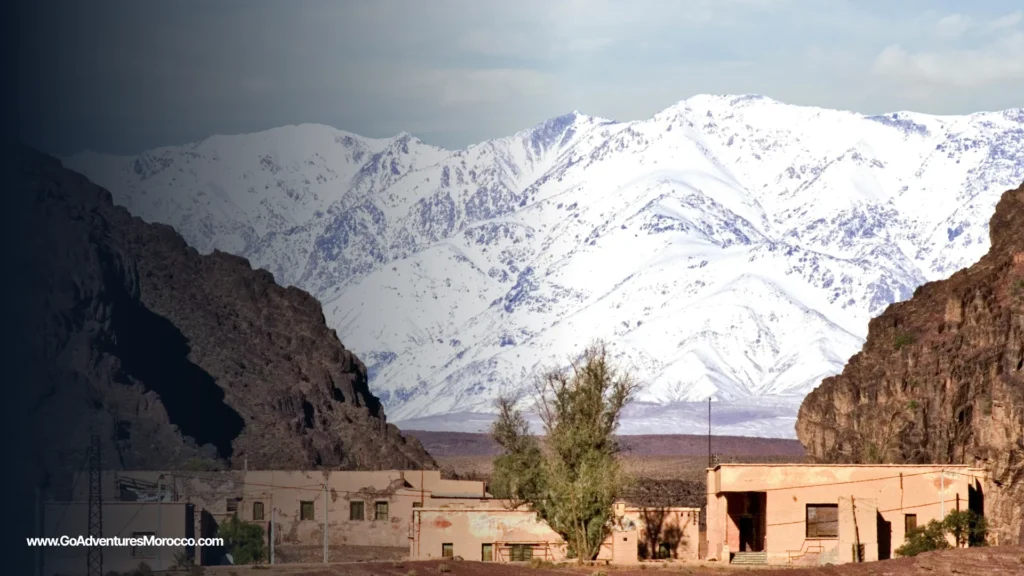
For hikers and nature lovers, the High Atlas offers snow-capped peaks, traditional Berber villages, and opportunities for trekking.
Top 5 Most Visited Cities in Morocco
While the country is filled with hidden gems, a few cities consistently draw the most visitors. The most visited cities in Morocco include:
- Marrakech: The undeniable leader, thanks to its vibrant energy, historical sites, and proximity to the Atlas Mountains and desert.
- Fez: A close second for those seeking a deeper cultural and historical experience. Its medina is a major draw.
- Casablanca: As the economic hub, many international flights land here. While often a transit city, the Hassan II Mosque is a magnificent must-see attraction.
- Chefchaouen: Its unique blue aesthetics have made it a social media darling, attracting travelers seeking its picturesque charm.
- Essaouira: Popular for its relaxed atmosphere, beautiful beach, and a welcome break from the hustle and bustle of the imperial cities.
How Many Days Needed to Visit Morocco?
The ideal length of your trip depends on how much you want to see. The question of “how many days needed to visit Morocco” is highly personal. A short trip will give you a taste, but a longer one will allow you to truly immerse yourself.
- 7 Days: This is a good amount of time for a focused trip. You could explore two or three key cities, such as a loop from Marrakech to the desert and back, or a journey through the Imperial Cities (Fez, Meknes, and Rabat). This is a fast-paced but rewarding itinerary.
- 10-14 Days: This is the sweet spot for a comprehensive trip. It allows you to explore the imperial cities, experience the Sahara Desert, and spend time in a relaxed coastal town. You can travel at a more leisurely pace, allowing for spontaneous discoveries. A popular route is the “Grand Tour,” which includes Marrakech, the High Atlas, the Sahara, Fez, and a final stop in Rabat or Casablanca.
- 3 Weeks or More: For the truly adventurous, a longer trip allows for deep dives into specific regions. You can trek in the Atlas Mountains, explore the country’s north, and spend ample time relaxing on the coast.
Best Time to Visit Morocco
Choosing the best time to visit Morocco is crucial to the success of your trip, as the country experiences a wide range of climates. The optimal periods are spring (mid-March to May) and autumn (September to October).
During these seasons, the best time to visit Morocco weather is mild and pleasant across the country. The days are warm and sunny, perfect for exploring cities and hiking, while the evenings are cool and comfortable. This is when the landscape is at its most beautiful, with vibrant wildflowers blooming in the spring and a gentle golden light in the autumn.
- Spring (March – May): Ideal for general travel. The weather is perfect for sightseeing in cities like Marrakech and Fez, and the mountains are accessible for trekking.
- Autumn (September – October): Another fantastic window. The summer heat has subsided, making the desert and southern regions more enjoyable to explore. The crowds are also a bit thinner than in the peak of spring.
What About the Off-Seasons?
- Summer (June – August): The heat can be intense, especially in the Sahara Desert and inland cities like Marrakech and Fez. However, this is the best season to visit Morocco for coastal areas like Essaouira and Agadir, where ocean breezes provide relief. It’s also a good time for budget travelers, as prices for flights and accommodations tend to be lower.
Winter (November – February): The weather can be cool and rainy, particularly in the north. However, the south remains mild and sunny. The High Atlas Mountains get snow, making it a unique destination for skiing and snowboarding.
Ultimately, the best month to visit Morocco depends on your planned activities. If you’re focusing on the desert, aim for autumn or spring. If you’re a sun worshipper who loves the coast, summer is your time.
Best Time to Visit Morocco Weather
- North (Tangier, Chefchaouen) – Mediterranean climate, mild winters, hot summers.
- Central Morocco (Marrakech, Fez) – Hot summers (40°C+) and cool winters.
- Sahara Desert – Scorching days, freezing nights.
- Mountains – Cold winters with snow, cool summers perfect for trekking.
Tip: Always pack layers since Moroccan weather varies significantly by region.
Is Morocco Safe to Visit? A Traveler's Perspective
A common question for anyone considering this trip is, “Is Morocco safe to visit?” The short answer is yes, overwhelmingly so. Morocco is known for its hospitality and is a very safe country for tourists, including solo female travelers, but should dress modestly and be cautious of unwanted attention.
However, like any popular tourist destination, it’s essential to be aware of your surroundings and take standard precautions. In the bustling medinas of Marrakech and Fez, you may encounter aggressive touts or “Faux Guides” who will try to lead you to shops or “help” you for a fee. A firm but polite “No, thank you” is usually enough to deter them.
A few key tips for a safe and enjoyable trip:
- Be aware of your personal belongings, especially in crowded areas.
- Dress respectfully, particularly when visiting religious sites.
- Avoid walking alone in poorly lit medina alleys at night. Stick to well-lit, populated areas.
- Haggle respectfully and with a smile. It’s part of the cultural experience.
By following common sense, you’ll find that the Moroccan people are incredibly welcoming and will go out of their way to make you feel at home.
Health & Hygiene – Tap water is safe in cities, but bottled water is recommended.
Overall, Morocco is one of the safest countries in North Africa for Western tourists.
We offer affordable guided tours and experiences by local experts, ranging from day trips to historic cities and sites of natural beauty, oil tasting and cookery classes, hot air balloon rides, desert adventures, and comprehensive tours spanning from 7 – 14 days.
Conclusion: Your Moroccan Adventure Awaits
From the moment you step into the bustling streets of Marrakech to the peaceful silence of the Sahara, visiting Morocco is an adventure that will engage all your senses. It’s a country that will challenge your perceptions, reward your curiosity, and leave you with memories that last a lifetime. With this guide, you now have the tools to plan a trip that is not only well-informed but also deeply personal and enriching. Go forth and explore the magic of Morocco—it’s waiting for you.